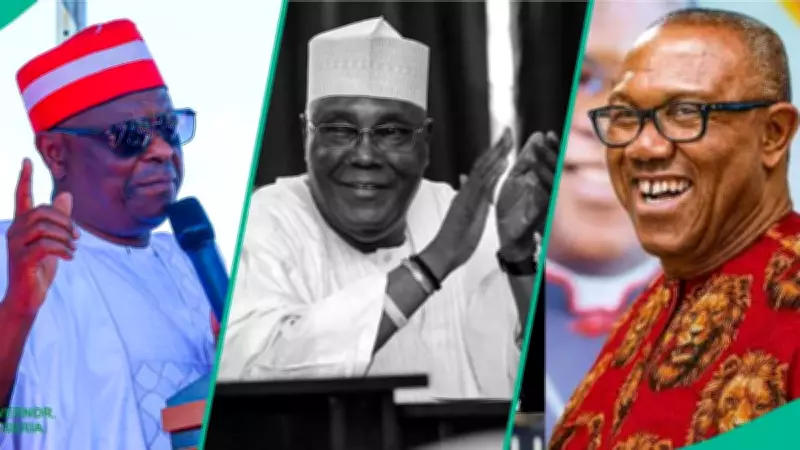
Kwankwaso Details ADC Power-Sharing Agreement, Emphasizes Inclusiveness
Former Kano State governor and prominent political figure Rabiu Musa Kwankwaso has publicly disclosed the specifics of the position-sharing arrangement within the African Democratic Congress following the integration of his Kwankwasiyya Movement into the party. In a recent address to supporters in Kano, Kwankwaso explained that his political bloc consciously accepted a reduced share of party positions to foster broader participation and strengthen internal unity.
Negotiation Details and Conscious Choice for Reduced Share
Kwankwaso revealed that during negotiations with ADC national leadership and other stakeholders, his movement was initially offered a dominant 80 percent of party positions. However, in a strategic move aimed at promoting inclusiveness, the group opted for a more balanced 60-40 arrangement.
"They gave us 60 per cent and the old ADC took 40 per cent. In the presence of the national leadership, they offered 80 per cent but we said no and took 60," Kwankwaso stated during his weekend address to supporters.
The former governor emphasized that this decision was deliberately made to accommodate more stakeholders within the party structure and create a more welcoming environment for diverse political groups. "We showed them that we want everyone else to come in," he added, highlighting the movement's commitment to building a broad-based political coalition.
Historical Precedent and Political Strategy
Kwankwaso pointed to historical precedent to justify the current arrangement, noting that a similar 60-40 distribution formula had been successfully implemented during previous political transitions. Specifically, he referenced the movement's shift from the Peoples Democratic Party to the All Progressives Congress, where comparable power-sharing principles were applied.
"When we came from PDP to APC that time, we had government and we did the same 60-40," he explained, suggesting that this approach has proven effective in maintaining political stability while accommodating diverse interests.
Local Government Adjustments and Call for Patience
The political leader also addressed the distribution of leadership positions across Kano State's 44 local government areas, where members of the Kwankwasiyya Movement initially occupied most roles. Following concerns raised by other political actors, adjustments were made to release additional slots, demonstrating flexibility in the power-sharing process.
Kwankwaso urged his supporters to exercise patience and avoid internal disputes over positions, emphasizing the importance of strategic positioning over immediate dominance. "I want us to be patient enough. Don't say you must be everywhere or insist on a particular person when that person may not even be eligible," he advised, calling for pragmatic approach to political arrangements.
Background and Political Context
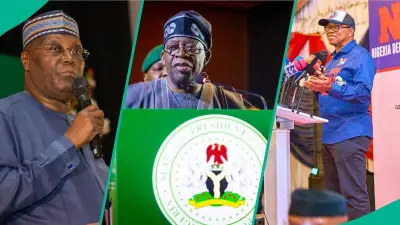
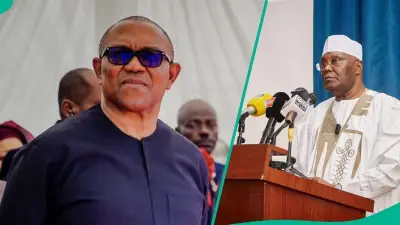
This disclosure comes following Kwankwaso's resignation from the New Nigerian Peoples Party and subsequent alignment with political figures including Atiku Abubakar and Peter Obi under the ADC banner. The move represents a significant realignment in Nigeria's political landscape as various opposition groups seek to consolidate ahead of future electoral contests.
The power-sharing arrangement reflects ongoing negotiations within opposition circles as different political blocs attempt to build cohesive structures capable of challenging established parties. Kwankwaso's emphasis on inclusiveness suggests a strategic recognition that broad-based support will be crucial for any successful political movement in Nigeria's complex democratic environment.