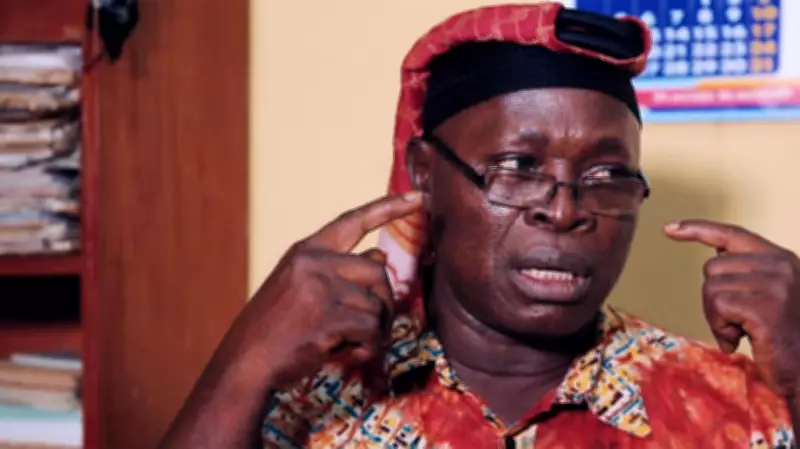
MURIC Issues Ultimatum for Muslim Political Representation in South-West Nigeria
The Muslim Rights Concern (MURIC), an Islamic human rights organization, has issued a stark warning to political parties in South-West Nigeria ahead of the 2027 general elections. The group insists that parties must field Muslim gubernatorial candidates in four key states—Lagos, Ogun, Oyo, and Osun—if they expect to secure votes from the Muslim community. Additionally, MURIC demands that parties in Ekiti and Ondo states nominate Muslims for the position of deputy governor.
Inclusive Governance as a Prerequisite for Support
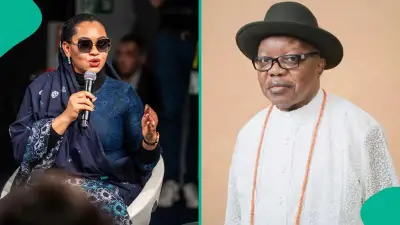
In a press statement released on Sunday by its Executive Director, Professor Ishaq Akintola, MURIC framed this demand as a necessary step toward inclusive governance. The statement argues that despite Muslims constituting a majority in Yorubaland, political leadership in the region has been dominated by Yoruba Christians since 2023, leaving Muslims marginalized and excluded from key decision-making processes.
The group highlights specific instances of this imbalance: Governors Babajide Sanwo-Olu in Lagos, Dapo Abiodun in Ogun, Seyi Makinde in Oyo, and Ademola Adeleke in Osun have all been cited as examples of Christian leadership that has allegedly sidelined Muslims. MURIC contends that this has created a scenario where Muslims are mere onlookers while political and economic resources are distributed unfairly.
Allegations of Marginalization and Economic Disparity
MURIC's statement provides detailed allegations of political marginalization, pointing to the distribution of commissioner posts in South-West states as evidence of systemic bias. According to the group:
- In Lagos, Christians hold 43 commissioner positions compared to only 14 for Muslims.
- In Ogun, Christians have 16 posts versus 4 for Muslims.
- In Oyo, Christians occupy 10 posts while Muslims have 6.
- In Osun, Christians hold 17 posts against 7 for Muslims.
- In Ondo, Christians have 15 posts with only 2 for Muslims.
- In Ekiti, Christians dominate with 24 posts, leaving Muslims with just 1.
The organization argues that this asymmetrical distribution has far-reaching consequences, affecting socio-economic patronage, employment opportunities, access to government interventions like health facilities and palliatives, and the awarding of contracts. MURIC asserts that South-West Muslims have endured political marginalization, economic impoverishment, and social deprivation over the past three years as a result.
Historical Context and Broader Implications
The statement also touches on broader regional dynamics, noting that the entire Southern Nigeria, comprising 17 states, currently has no Muslim governor. MURIC criticizes what it describes as false propaganda about the Islamization of Nigeria, suggesting that such narratives are hypocritical given the current political landscape.
Furthermore, the group alleges that Christian governors have used their positions to improperly impose Christians as traditional rulers in the region, exacerbating tensions. Despite these grievances, MURIC emphasizes that Muslims in the South-West have chosen to pursue constitutional change through peaceful means, rather than resorting to violence or unconventional methods.
The 2027 Election as a Turning Point
With the 2027 general election approaching, MURIC sees an opportunity for Muslims to voice their frustrations and demand change. The organization clarifies that it is not endorsing any specific candidate or political party but is instead issuing a clear ultimatum: any party that fails to present a Muslim gubernatorial candidate in the specified states should not expect to receive Muslim votes.
In unequivocal terms, Yoruba Muslims are saying, 'Give us Muslim candidates if you want our votes. Christians have ruled for too long. Enough is enough. Give us Muslim governors.' This stance underscores a growing demand for equitable representation and could significantly influence the political dynamics in South-West Nigeria as parties strategize for the upcoming elections.