Nigeria Moves to Grant Diaspora Voting Rights for 2027 Elections
Nigeria's House of Representatives is actively advancing a bill to enable diaspora voting by the 2027 election cycle, aiming to empower over 10 million Nigerians living overseas with the right to vote. This legislative push, highlighted at the National Diaspora Day event in Abuja, seeks to recognize the substantial economic and social contributions of the diaspora community, including annual remittances of $20 billion that bolster sectors like ICT, education, and healthcare.
Legislative Efforts and Key Advocates
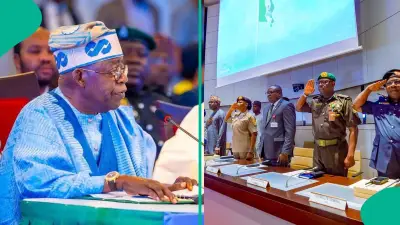
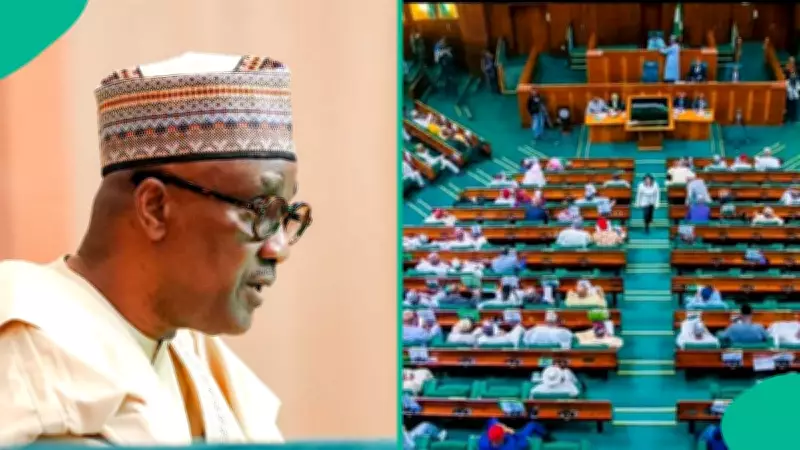
Speaker Tajudeen Abbas announced in 2024 that a bill is being sponsored to facilitate voting for Nigerians abroad, with Benjamin Kalu, representing Abbas, emphasizing the initiative's goal to strengthen democracy by including diaspora Nigerians in the political process. Kalu noted that he advocated for this change two decades ago under President Obasanjo's administration.
Abike Dabiri-Erewa, chairperson of the Nigerians in Diaspora Commission (NIDCOM), strongly supports the bill, arguing that diaspora voting would complement increasing investments from overseas Nigerians. She cited examples such as Nigerian doctors establishing over 10 hospitals in the country in recent years and growing investments in ICT, education, healthcare, and food businesses.
Constitutional Amendment and Current Status
The proposed constitutional amendment has undergone its first reading, with Abbas, who chairs the constitutional review committee, expressing confidence in its passage. However, as of now, Nigerians abroad cannot vote, as the bill is still in the legislative process and not yet law. The recent Electoral Act signed by President Bola Tinubu does not include provisions for diaspora voting, though it introduces other electoral reforms.
Economic Impact and Urgency
Abbas stressed the urgency of passing the bill before the next election cycle, highlighting that diaspora Nigerians deserve voting rights to match their economic contributions. He stated, "It's time for this vision to become a mission. We need to ensure that Nigerians abroad are not only contributing economically but also have their rights protected, including the right to vote."
Dabiri-Erewa echoed this sentiment, questioning delays by asking, "Somebody said to me, we're not ready. The question is when are we going to be ready?" She expressed optimism about the bill's success, noting that if the speaker sponsors it, it should pass without issue.
INEC's Role and Future Steps
The Independent National Electoral Commission (INEC) plans to review the Electoral Act 2026 to ensure compliance with legal provisions for the 2027 elections. Adedayo Oketola, media adviser to the INEC chairman, mentioned that a revised timetable will be released, though no specific date was provided, reaffirming INEC's commitment to following the law.
In summary, while diaspora voting remains unattainable currently, legislative efforts are underway to amend the constitution and grant this right by 2027, driven by the diaspora's significant economic impact and advocacy from key political figures.