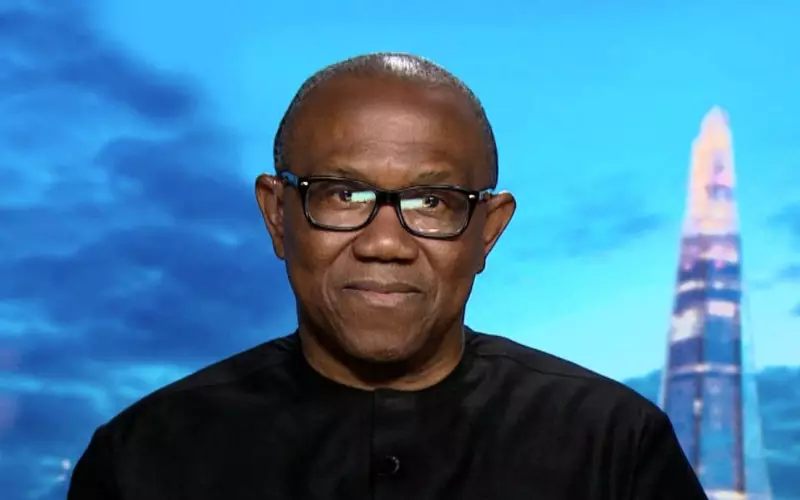
The political landscape for Nigeria's 2027 general elections witnessed a significant clarification as the Obidient Movement, the formidable support base for former Anambra State Governor Peter Obi, firmly shut down speculation about a vice-presidential role for their principal. In a strong statement released on Saturday, the movement declared its backing is exclusively for Obi's emergence as the nation's president, dismissing any notion of him playing second fiddle to another candidate.
Clarifying the Stance: Presidency or Nothing
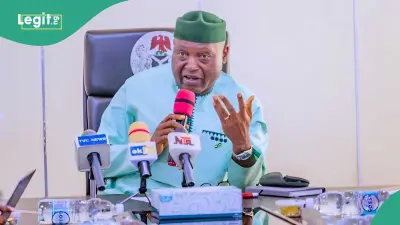
The statement, titled 'The Peter Obi Presidency: A Joint Project of All Nigerians,' was issued directly in response to what the group termed "deliberate misrepresentations and malicious propaganda." This followed an interview granted by the movement's National Coordinator, Dr. Tanko Yunusa, on Channels Television's 'The Morning Brief' program.
During that interview, Yunusa had stated that the Obidient Movement would remain within the African Democratic Congress (ADC) and respect the outcome of the party's presidential primary, even if former Vice President Atiku Abubakar emerged as the flagbearer. He expressed democratic confidence that Obi would win the primary due to the large population of supporters he brings to the ADC.
However, this commitment to democratic processes within the ADC was misinterpreted by some as a signal that Obi would be open to a vice-presidential ticket under Atiku. The Obidient Movement moved swiftly to correct this narrative.
Loyalty to Vision, Not Just a Party
"Let it be stated clearly and without ambiguity: The Obidient Movement is not mobilised to support Mr Peter Obi as a vice-presidential candidate to anyone. Our support is exclusively for his emergence as President of Nigeria," the statement emphatically declared.
The group emphasized that while it currently operates under the ADC platform, its primary loyalty is to Obi's leadership vision and presidential aspiration, not to any particular political party. It described the energy and collective resolve of its members as "unequivocally committed" to seeing Obi become Nigeria's next president.
This position aligns with recent comments from a key Obi ally, Professor Pat Utomi. In a separate interview on Channels Television's 'Politics Today,' Utomi had issued a stern warning, stating he would withdraw his support if Obi ever accepted a deputy role. "Peter Obi will contest for the presidency. The day he becomes somebody's vice president, I will walk away from his corner. I can tell you that for a fact," Utomi declared.
Broader Concerns About Age and Leadership
Utomi used the opportunity to critique a broader trend in Nigerian politics, describing the presidency as being treated like a "retirement home" by some older politicians. He proposed a strict age limit of 70 years for anyone seeking executive offices like governor or president, arguing that the role demands significant physical strength and mental agility.
He suggested that while experienced older politicians could still contribute valuably in legislative capacities, the demanding nature of the executive presidency should not be reserved for those seeking personal comfort or medical care.
The Obidient Movement's statement concluded by reiterating its commitment to a transparent process. It pledged to abide by the outcome of a credible ADC presidential primary but warned that it would take "a united, lawful, and democratic decision" should the internal party process be compromised in any way.
"Wherever Mr Peter Obi, acting within the law and guided by conscience, chooses to pursue his presidential mandate, the Obidient Movement will move with him," the statement affirmed, underscoring the fluid yet determined nature of their support.
As political realignments intensify ahead of the 2027 polls, Peter Obi's positioning within the ADC coalition and the unwavering stance of his supporters continue to be a major focal point of national political discourse, setting the stage for a high-stakes contest.