The political landscape in Osun State is set for a dramatic showdown in 2026, with a leading analyst predicting that the winner of the governorship election may not be declared by the Independent National Electoral Commission (INEC) at the polls, but by the judiciary.
Internal Crises and Defections Set the Stage
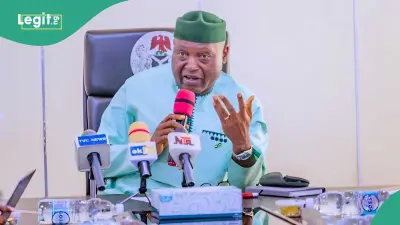
In an exclusive interview with Legit.ng, political commentator Omotayo Yusuf projected that the election, scheduled for July 2026, could follow a pattern of legal resolution rather than electoral finality. This forecast hinges on the intense internal crises rocking the major political parties in the state.
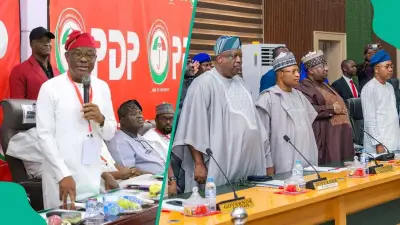
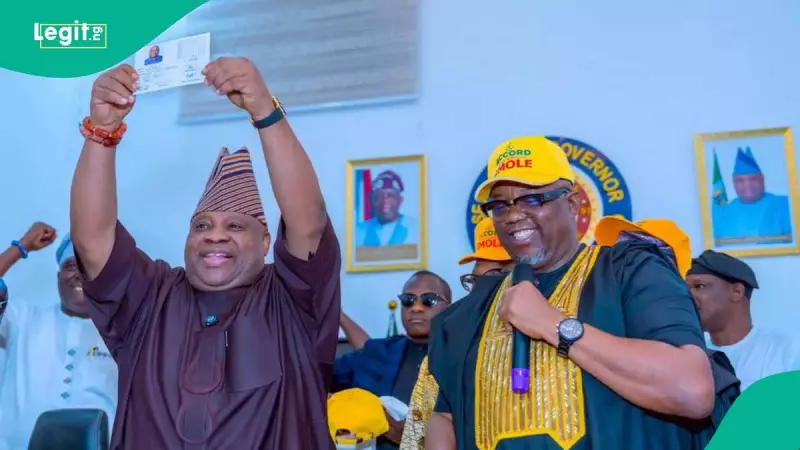
The most significant shockwave was the defection of the incumbent Governor, Ademola Adeleke, from the Peoples Democratic Party (PDP) to the Accord Party (AP). This move stripped the PDP of its status as the ruling party in Osun and has thrown the race wide open, making it highly competitive.
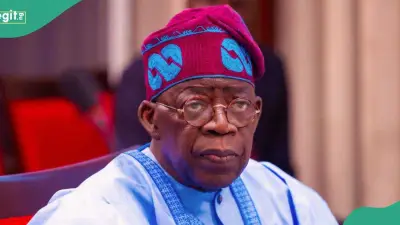
On the side of the All Progressives Congress (APC), the primaries also saw major drama. Former Governor Gboyega Oyetola, who currently serves as the Minister of Marine and Blue Economy, surprisingly pulled out of the race. This led the APC to select a former commissioner, Bola Oyebanji, as its standard bearer for the crucial election.
Why the Courts Will Have the Final Say
Analyst Omotayo Yusuf draws a direct parallel to the historical precedent set by former Governor Rauf Aregbesola, whose emergence was ultimately decided by the election tribunal. This precedent, he argues, has already placed Osun on a staggered election calendar, separate from the general election timeline.
"I have no prediction on who is going to emerge as the winner... This state election will still ultimately be decided by the court," Yusuf stated. He elaborated that the legal controversies are multifaceted.
The circumstances surrounding Governor Adeleke's nomination as the Accord Party candidate are likely to be contested. Furthermore, the PDP, despite public displays of unity, is believed to still harbor deep internal factions. Yusuf suggested that Adeleke's defection might be a strategic move to avoid being caught on the "wrong side" of a potential court judgment that could nullify a primary election.
"He might win at the election and lose at court. The drama around this state election would likely be decided at court and not at the polls," the analyst concluded.
A Recurring Pattern of Judicial Determinations
The prediction underscores a growing trend in Nigerian politics where electoral battles are increasingly fought and concluded in the courtrooms long after ballots are cast. The Osun 2026 gubernatorial election is shaping up to be a prime example of this trend, where legal technicalities, party primaries disputes, and candidate eligibility issues could overshadow the campaign itself.
With the major parties in flux and a high-stakes race ahead, all eyes will be on Osun State not just on election day in July 2026, but in the courtrooms in the months that will inevitably follow.