Pressure Mounts for INEC Chairman Amupitan's Resignation Over Alleged Bias
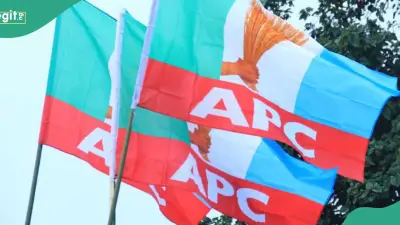
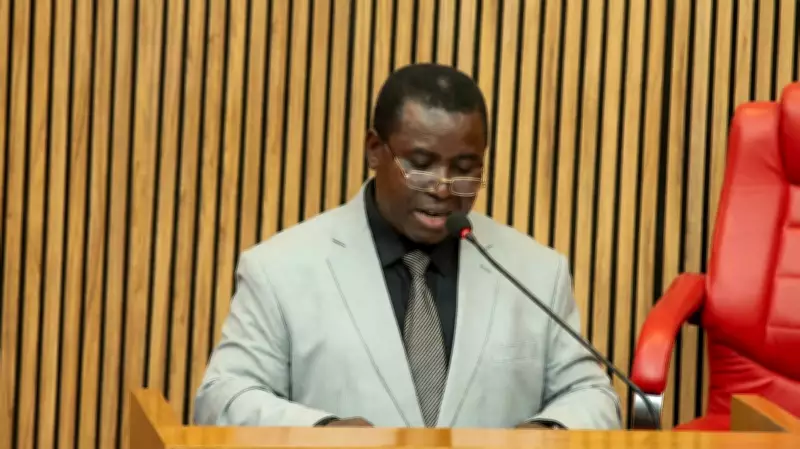
Prof. Joash Amupitan, the Chairman of the Independent National Electoral Commission (INEC), is under intense scrutiny as growing public denunciation and allegations of bias in favor of the ruling All Progressives Congress (APC) threaten his position. Critics, including opposition parties and civil society organizations, are demanding his immediate resignation, citing concerns over his past partisan social media activity and recent commission decisions.
Allegations of Partisan Activity
The controversy escalated when screenshots circulated online, allegedly showing Amupitan engaging in political conversations that endorsed President Bola Tinubu and supported the APC prior to his appointment. Andrew Mamedu, Country Director of ActionAid, highlighted that these posts, even if made in a personal capacity, raise serious questions about perceived neutrality, especially given their proximity to the 2023 general elections. Mamedu emphasized that the credibility of Nigeria's electoral system hinges on public confidence, which is now at risk due to these allegations.
INEC's Response and Denial
In response, Amupitan, through his Chief Press Secretary Adedayo Oketola, dismissed the allegations as "entirely baseless, a total fabrication, and a figment of the imagination." However, this denial has been met with skepticism. Social media users, such as Olusegun Onigbinde, have questioned INEC's transparency, pointing out unresolved issues like the linking of the chairman's email and phone to the disputed account. Onigbinde stressed that public trust is non-negotiable and called for clear evidence rather than vague statements.
Recent Commission Actions Fuel Controversy
Adding to the tension, INEC recently rescinded the accreditation of Senator David Mark and Rauf Aregbesola as chairman and secretary of the African Democratic Congress (ADC), citing an interpretation of a Court of Appeal order. This move has been perceived by the ADC leadership as evidence of bias, prompting them to call for Amupitan's resignation. They argue that his actions demonstrate a clear favoritism towards the ruling party, undermining the commission's mandate of neutrality.
Calls for Due Process vs. Public Agitation
Amidst the uproar, public affairs analyst Victor Oluwafemi has urged caution, describing the calls for resignation as premature and a potential risk to democratic stability. He emphasized that while accountability is crucial, demands should be grounded in verifiable institutional breaches rather than political positioning. Oluwafemi warned that influencing leadership through public agitation, rather than constitutional procedures, could set a troubling precedent for Nigeria's democratic institutions.
Constitutional Hurdles and Political Dynamics
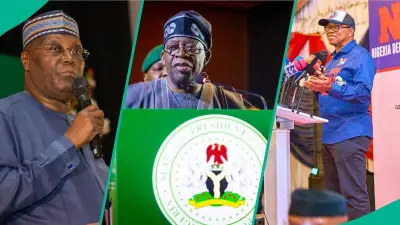
Despite the mounting pressure, it is unlikely that President Tinubu will initiate constitutional processes for Amupitan's removal. Section 157 of the Constitution requires a two-thirds majority Senate vote for removal based on misconduct or inability to perform duties. However, historical precedents suggest that sustained public outcry and mass action could force his resignation, as seen with other public officers in similar situations. Opposition parties and CSOs have threatened such actions to press their demands.
As debates continue over Amupitan's partisan inclinations and the commission's denials, the focus remains on ensuring electoral integrity ahead of the 2027 general elections. The situation underscores the delicate balance between upholding democratic norms and responding to public sentiment in Nigeria's political landscape.