Deserted APC Office in Taraba Comes Back to Life
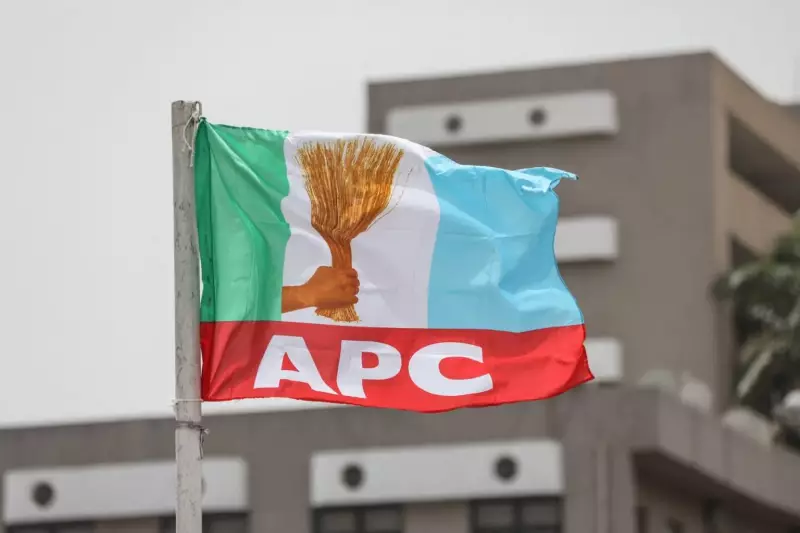
In a significant political development, the once-abandoned All Progressives Congress (APC) secretariat in Serti, the administrative headquarters of Gashaka Local Government Area in Taraba State, has been dramatically revived with fresh paint and renovations. The weekend event saw the mist-draped town witness what many residents described as the stirring of renewed political energy in a constituency that has felt marginalized for decades.
Political Aspirant Sparks Renewed Interest
Fanuel D. Lawrence, an emerging political figure and aspirant for the Gashaka, Kurmi, Sardauna Federal Constituency seat in the 2027 general elections, arrived to commission the refurbished office amidst a crowd of supporters, party elders, and curious onlookers. The confident aspirant addressed the gathering with a powerful message about democratic participation.
"I want our people to understand that democracy is not a spectator sport," Lawrence declared, his voice ringing with conviction. "Don't just sit down and say your vote doesn't count. Be part of the process. Get your PVC. Go out on election day. Make your voice count. That is how we win."
Addressing Decades of Neglect
Lawrence's political motivation stems from deep frustration shared by many residents of the mountainous constituency bordering Cameroon. Despite the region's breathtaking landscapes, the area has suffered from poverty, infrastructural decay, and what many describe as chronic political neglect since Nigeria's return to democracy in 1999.
"As a young person exposed to the wider world," Lawrence explained, "I can say we have not been fairly represented. The dividends of democracy have not reached us." He framed his mission as a "divine mandate" to "wipe away the tears of the people" and "change the narratives" that have defined Gashaka, Kurmi, and Sardauna for too long.
Standing beside Lawrence, Alhaji Tanko Mohammed, leader of his campaign team, emphasized their strategic focus. "What we are after now is the primary election, not the general election," Mohammed stated with the calculative realism of a longtime political mobilizer. "And we will leave no stone unturned to ensure Lawrence emerges victorious."
Party Leadership Endorses Revival Effort
The event attracted Barrister Tukur Ibrahim El-Sudi, the APC state chairman, who praised Lawrence's initiative in renovating the derelict party office that had stood abandoned for years, symbolizing the party's waning presence in the area.
"We assure all aspirants of a level playing field," El-Sudi declared, signaling the party's commitment to transparency in the 2027 primaries.
Despite the celebratory atmosphere and ceremonial ribbon-cutting, underlying currents of disillusionment ran through the crowd. Several party chieftains confided that the constituency had endured enough neglect, with one elder noting that "Gashaka, Sardauna, and Kurmi are among the most neglected areas in the state."
Lawrence's campaign message appears perfectly timed for this mood—a blend of optimism, urgency, and spiritual resolve. He frequently references President Bola Ahmed Tinubu as an example of democratic resilience and leadership anchored in justice, positioning his campaign within the broader national vision of the APC.
As the sun set behind Taraba's rolling hills and the crowd dispersed, the freshly painted secretariat stood as a quiet promise. Whether this revival becomes the launchpad for genuine political change or merely another chapter in the region's long quest for meaningful representation will depend, as Lawrence insists, on the people's willingness to participate actively in the democratic process.