Supreme Court Decides Fate of PDP, LP, ADC Amid Opposition Anxiety
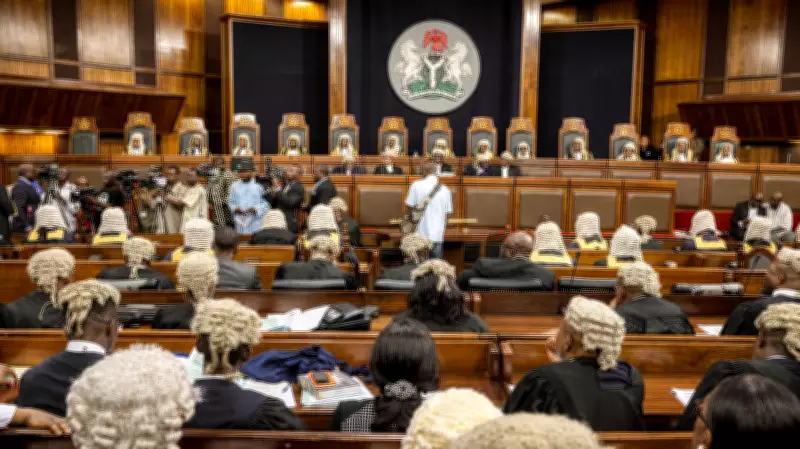
All eyes are on the Supreme Court of Nigeria as the nation awaits today's pivotal ruling on the legitimate leadership of major opposition political parties, including the Peoples Democratic Party (PDP), Labour Party (LP), and African Democratic Congress (ADC). This decision comes in the lead-up to the 2027 general elections, with the apex court conducting an accelerated hearing last week to address leadership and structural disputes rocking these parties.
Core Issues and Electoral Timelines
At the heart of the cases are questions of legitimate leadership, party control, and compliance with constitutional processes. These issues directly impact each party's ability to organize congresses, conduct primaries, and submit candidates to the Independent National Electoral Commission (INEC). The electoral umpire has set a tight timetable for the 2027 elections, with presidential and National Assembly elections scheduled for January 16, 2027, and governorship and state houses of assembly elections for February 6, 2027.
Political parties are required to conduct their primaries and resolve disputes from April 23 through May 30, 2026. Party stakeholders have expressed apprehension that the Supreme Court's ruling will have far-reaching implications, emphasizing the need for backup plans to ensure adverse pronouncements do not hinder crucial preparations.
Opposition Parties at a Crossroads
For the PDP, the dispute centers on a national secretaryship tussle and leadership legitimacy, with factions contesting lawful authority. The outcome will determine control of party machinery, including issuing notices for congresses and primaries. The ADC faces internal leadership and structural authority disputes, affecting its role as a potential coalition platform. The Labour Party's case similarly involves leadership legitimacy issues that could disrupt its electoral strategies.
If the court affirms current leadership, parties must focus on rapid reconciliation and consolidation to meet INEC deadlines. However, unresolved grievances could trigger defections, weakening cohesion. A contrary verdict nullifying or reshaping leadership structures may plunge parties into emergency reorganization, including forming caretaker committees and convening fresh conventions, all within a narrow window.
An ambiguous ruling could prove most destabilizing, potentially leading to parallel claims to legitimacy, conflicting primaries, and further litigation, scenarios that have historically undermined opposition parties in Nigeria.
Strategic Options and Legal Constraints
Beyond legal outcomes, stakeholders are weighing strategic options, such as internal concessions to placate aggrieved blocs, accelerated coalition talks, and tactical defections by aspirants seeking stable platforms. Legal experts warn that opposition actors may have limited options due to INEC's constricted timeline.
Douglas Ogbankwa, Convener of the Vanguard for the Independence of the Judiciary, suggested that affected political actors might need to explore alternative survival strategies, such as entering smaller parties to take over structures and beat deadlines. Akintayo Balogun, a legal practitioner, noted that the Supreme Court may be constrained by the electoral timetable, and a delayed ruling could render decisions academic if outside INEC's timeline.
Implications for Opposition Cohesion
Political analyst Jide Oseme argued that an unfavorable Supreme Court pronouncement could weaken the opposition's bargaining power, translating into weakened authority in alliances, power-sharing arrangements, and internal party control. Legal setbacks often reshape perceptions of legitimacy among party members and the wider electorate, potentially deepening internal fractures.
Ibrahim Suleiman, another legal practitioner, stated that an unfavorable ruling would not dissolve opposition parties but could trigger internal challenges, leading to defections and intensified divisions. How party leaders manage the fallout will be crucial for stability and electoral prospects.
Fallback Plans and Internal Fragmentation
Despite public statements projecting confidence, insider conversations indicate stakeholders are quietly positioning for alternatives. The People's Redemption Party (PRP) has emerged as an attractive fallback option, offering a registered party structure, historical name recognition, and freedom from internal litigations. Quiet meetings have been held between loyalists of former Senate President David Mark and PRP leaders.
Former Bayelsa State Governor Senator Seriake Dickson is promoting the Nigeria Democratic Congress (NDC) as a refuge for politicians displaced by crises in ADC and PDP. The ADC itself is fractured into three power centers: the David Mark-Aregbesola tendency backed by figures like Atiku Abubakar and Peter Obi, the Gombe faction, and a bloc led by Dumebi Kachikwu and Temitope Ogah.
Party Responses and Expectations
ADC National Publicity Secretary Bolaji Abdullahi insisted the coalition leadership remains focused on the legal battle, but reports suggest ongoing exploration of alternatives. Former PDP National Vice Chairman Eddy Olafeso expressed confidence that the PDP would meet INEC timelines if the ruling favors them, dismissing fears of inability to comply.
Former ADC National Chairman Ralph Nwosu expects the court to rule that parties should seek electoral victory from Nigerians rather than courts, blaming INEC for the crisis. He expressed optimism for a favorable judgment but noted that party decisions would follow if otherwise.
As the Supreme Court delivers its ruling, the opposition faces a defining moment that will shape Nigeria's political landscape ahead of the 2027 elections, with time constraints and internal dynamics adding to the urgency.