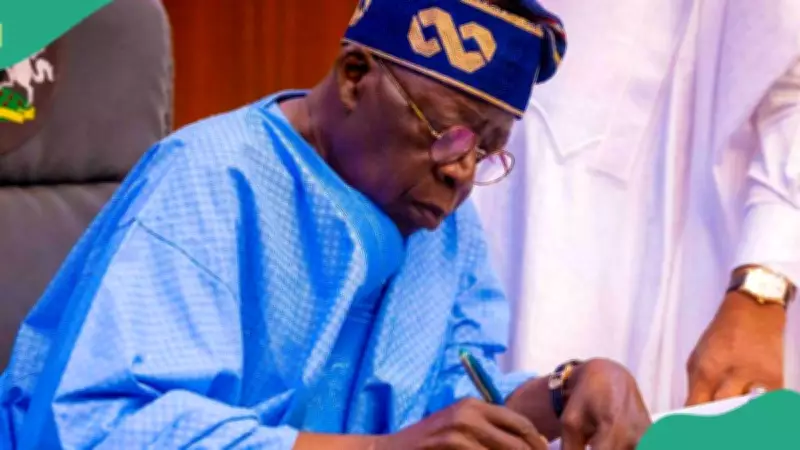
President Tinubu Officially Enacts 2026 Electoral Reform Legislation
President Bola Ahmed Tinubu has formally enacted the Electoral Act, 2022 (Repeal and Re-Enactment) Bill 2026 into law, marking a significant milestone in Nigeria's electoral framework. The signing ceremony took place on Wednesday, February 18, 2026, at the Presidential Villa in Abuja, following comprehensive legislative deliberations and review processes.
Swift Legislative Action Precedes Presidential Assent
The National Assembly demonstrated remarkable efficiency in processing this crucial legislation, passing the electoral reform bill just one day before President Tinubu's official endorsement. This rapid progression through both legislative chambers highlights the priority placed on electoral system improvements and institutional strengthening ahead of future election cycles.
The newly enacted legislation represents a comprehensive overhaul of Nigeria's electoral governance structure, incorporating numerous amendments and updates to the existing electoral framework. Political analysts suggest these reforms could significantly impact election administration, campaign regulations, and voting procedures across federal, state, and local government elections.
Extensive Deliberations Characterize Legislative Process
Before reaching President Tinubu's desk, the electoral bill underwent months of rigorous scrutiny and debate within the National Assembly. Lawmakers from various political parties engaged in detailed examinations of the proposed amendments, with particular attention to provisions addressing election technology, result transmission, candidate qualifications, and campaign finance regulations.
The legislative process involved multiple committee hearings, stakeholder consultations, and technical reviews to ensure the final bill reflected broad consensus while addressing identified weaknesses in previous electoral legislation. This thorough approach aimed to create a more robust, transparent, and credible electoral system capable of withstanding legal challenges and public scrutiny.
Historical Context and Future Implications
This enactment continues Nigeria's tradition of electoral law reforms preceding major election cycles, building upon previous amendments to the Electoral Act. The 2026 version specifically addresses lessons learned from recent elections while incorporating international best practices in election management and democratic governance.
With this legislation now officially law, attention shifts to implementation by the Independent National Electoral Commission (INEC) and other relevant agencies. The coming months will likely see regulatory guidelines development, stakeholder training, and public awareness campaigns to ensure smooth application of the new provisions during upcoming electoral processes.
Political observers anticipate that these reforms could influence party strategies, candidate selection processes, and voter engagement approaches as Nigeria prepares for future elections under the revised legal framework.