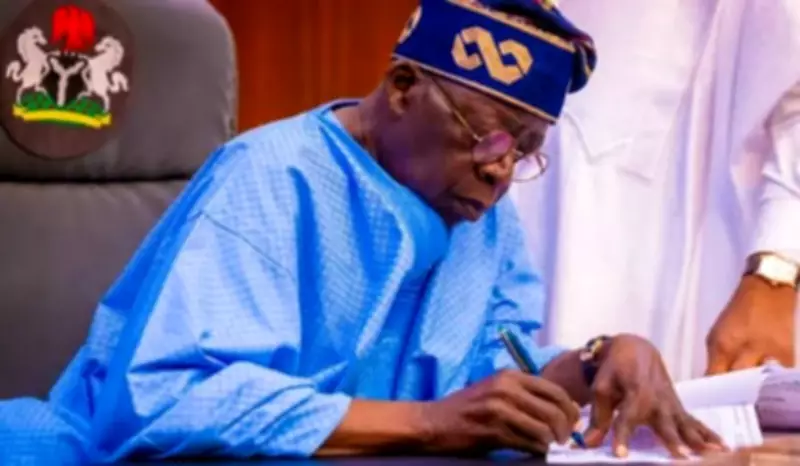
President Tinubu Officially Enacts Amended Electoral Act 2026 into Law
President Bola Tinubu has formally signed the Electoral Act 2026 (Amendment) into law, marking a significant legislative milestone for Nigeria's electoral framework. The signing ceremony took place at the Presidential Villa in Abuja, commencing at approximately 5:00 PM on Wednesday, February 18, 2026. The event was attended by principal officers of the National Assembly, underscoring the collaborative effort between the executive and legislative branches in advancing this crucial reform.
Legislative Process and Key Provisions
The National Assembly had previously passed the bill on Tuesday, February 17, 2026, following thorough deliberations and debates. The newly enacted law introduces a pivotal change by allowing for the electronic transmission of election results, a move aimed at enhancing transparency and efficiency in the electoral process. However, the legislation includes a specific clause that permits manual tabulation of results in polling units where network failures are detected, ensuring continuity and reliability even in areas with technological challenges.
This amendment represents a balanced approach to modernizing Nigeria's elections, combining technological advancements with practical safeguards. The inclusion of the manual backup option addresses concerns about potential disruptions due to poor internet connectivity or other technical issues, thereby maintaining the integrity of the electoral process across diverse regions of the country.
Implications for Future Elections
The enactment of this law is expected to have far-reaching implications for upcoming elections, including the 2027 general elections. By facilitating electronic transmission, the amendment aims to reduce delays in result declaration and minimize human errors associated with manual handling. Additionally, it aligns with global best practices in electoral management, potentially boosting public confidence in the democratic process.
Stakeholders, including political parties, civil society organizations, and international observers, have welcomed this development, viewing it as a step forward in strengthening Nigeria's electoral system. The law's implementation will now depend on the Independent National Electoral Commission (INEC), which will be tasked with developing guidelines and infrastructure to support the electronic transmission mechanism while adhering to the manual tabulation provisions where necessary.