Cabinet Shakeup as Tinubu's Ministers Step Down for 2027 Political Ambitions
In a significant political development, several key members of President Bola Ahmed Tinubu's administration have resigned from their positions, following a directive aimed at clearing the path for the upcoming 2027 elections. This move underscores the administration's commitment to maintaining focus and integrity within the cabinet as political activities intensify.
Presidential Directive Sparks Resignations
President Tinubu issued a clear mandate that any appointee harboring political ambitions for the 2027 elections must submit their resignation by Tuesday, March 31, 2026. This directive has led to the departure of no fewer than two ministers and other high-ranking appointees, as reported by various news sources including BBC News Pidgin. The resignations are seen as a strategic step to prevent conflicts of interest and ensure that government officials are fully dedicated to their roles without the distraction of electoral campaigns.
Notable Figures Who Have Resigned
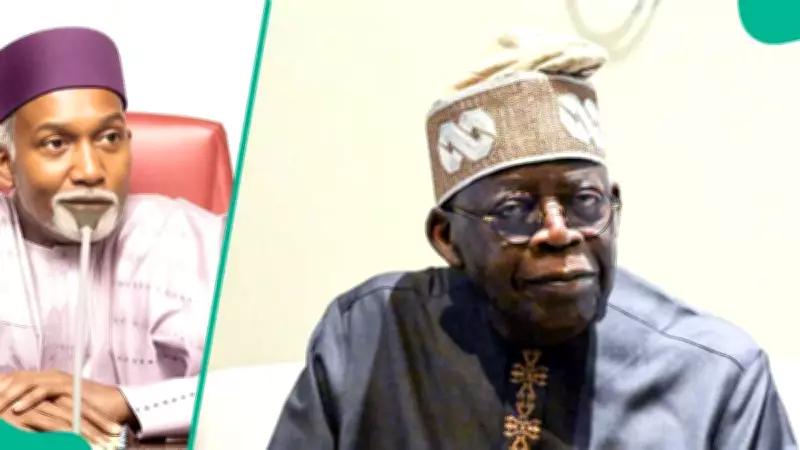
Yusuf Tuggar, who served as the Minister for Foreign Affairs since 2023, resigned on Monday, March 30, 2026. His resignation is driven by his ambition to contest for the governorship of Bauchi State under the All Progressives Congress (APC). Born in 1967 in the Gamawa Local Government Area of Bauchi State, Tuggar comes from a political family; his father, Abubakar Tuggar, was a member of the House of Representatives in the second republic. His departure has sparked mixed reactions among Nigerians, coming just days after Tinubu's directive.
Yusuf Sununu, another prominent figure, also stepped down. Initially appointed as Minister of State for Education and later redeployed to Humanitarian Affairs, Sununu has a strong political background, having won the House of Representatives seat for Ngaski/Shanga/Yauri Federal Constituency in Kebbi State in 2019 and 2023. He previously resigned from his medical role at the Federal Medical Centre, Birnin Kebbi, to enter politics, and his current resignation aligns with his pursuit of further electoral opportunities in 2027.
Nasiru Gawuna resigned from his position as Chairman of the Governing Board of the Federal Mortgage Bank of Nigeria. A former deputy governor of Kano State and the 2023 APC governorship candidate there, Gawuna tendered his resignation on March 30, 2026. Reports indicate he may be joining the African Democratic Congress (ADC) to strengthen his political prospects, emphasizing a commitment to democratic values in Nigeria.
Abdulrazak Namdas, a member of the governing board of the Niger Delta Development Commission representing the North-East Zone, has also resigned. Hailing from Adamawa State, Namdas is expected to contest for an elective position, potentially the governorship, in the 2027 elections, reflecting a broader trend of appointees seeking grassroots political roles.
Broader Implications and Reactions
These resignations highlight a strategic reshuffling within Tinubu's administration as it prepares for the electoral cycle. The move is aimed at ensuring that cabinet members remain focused on governance without the distractions of campaign activities. It also opens up opportunities for new appointments, potentially bringing fresh perspectives into the government.
The resignations have generated varied responses from the public and political analysts. Some view it as a positive step towards transparency and accountability, while others express concerns about the potential loss of experienced hands in key ministries. Additionally, the resignations of figures like Gawuna and Kwankwaso, who have shifted parties, signal ongoing realignments in Nigeria's political landscape, with implications for party dynamics and electoral outcomes in 2027.
As the 2027 elections approach, more resignations may follow, shaping the political environment and testing the administration's ability to maintain stability and effectiveness. This development underscores the intricate balance between political ambitions and governmental duties in a democratic setting.