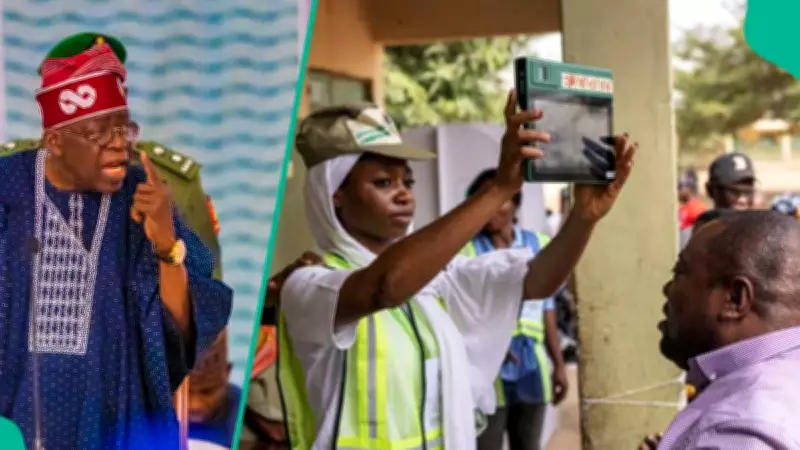
Presidency Details Tinubu's Deliberate Strategy on Electronic Election Transmission
The Presidency has announced that President Bola Ahmed Tinubu will adopt a measured and pragmatic approach in addressing the contentious issue of electronic transmission of election results in Nigeria. This statement comes amid growing public demand for electoral reforms, including recent protests led by figures such as Peter Obi and Rotimi Amaechi at the National Assembly.
Infrastructure Concerns Highlighted by Presidential Aide
Special Adviser to the President on Media and Public Communications, Sunday Dare, emphasized during an interview on ARISE NEWS that the decision will be guided by the country's current realities. He questioned Nigeria's capacity for full real-time electronic transmission, noting that no nation operates a flawless system. "Are you telling me that this country as it is, is networked enough to have a 100 per cent electronic process?" Dare asked, highlighting ongoing debates about whether the Electoral Act should mandate real-time transmission by the Independent National Electoral Commission (INEC).
Anti-Corruption and Security Remain Top Priorities
Dare reaffirmed that combating corruption and enhancing security are central to the administration's agenda. Addressing Nigeria's 142nd ranking out of 182 countries on Transparency International's Corruption Perception Index, he described the fight against corruption as a long-term effort without fixed timelines. He pointed to active roles by agencies like the Economic and Financial Crimes Commission (EFCC) and the Independent Corrupt Practices Commission (ICPC) in upholding these mandates.
Economic Progress and Fiscal Management
In response to reports of widespread poverty, Dare argued that economic indicators show positive trends under Tinubu's leadership. He cited improvements in external reserves, exchange rate stability, and a reduction in food inflation as evidence of effective economic management. Notably, he highlighted a significant decrease in Nigeria's debt servicing ratio from approximately 90 per cent to about 60 per cent, dismissing claims of a revenue crisis.
Legislative and Health Sector Updates
Dare confirmed that the National Assembly is currently reviewing the unaudited accounts of the Nigerian National Petroleum Company (NNPC), with President Tinubu prepared to address any allegations promptly. Regarding health funding, he clarified that while the Federal Ministry of Health received N32 million from its N218 billion allocation in the 2025 budget, the sector also benefits from substantial international support, necessitating further explanation.
Timeline for Electoral Law Amendments
Previously, Senate President Godswill Akpabio indicated that President Tinubu is expected to sign the amended Electoral Act into law in February 2026. This follows an emergency plenary session where lawmakers formed a committee to harmonize versions of the bill amid public backlash over certain amendments.
The Presidency's statements underscore a balanced approach to electoral innovation, prioritizing practical considerations alongside ongoing efforts in anti-corruption, security, and economic reform.