The political landscape in Honduras appears poised for a significant shift to the right, with a conservative candidate endorsed by United States President Donald Trump taking a narrow lead in Sunday's presidential election.
Snap Results Show Tight Race
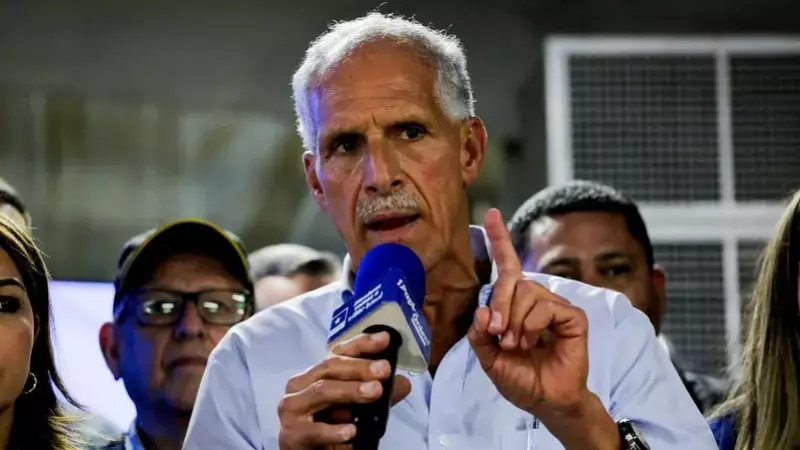
According to rapid counts from the Honduran electoral authority, 67-year-old Nasry Asfura, a former mayor of the capital Tegucigalpa, held a slim advantage as votes were tallied. With just under half of ballots counted, Asfura, affectionately nicknamed "Grandad," secured close to 41% of the vote.
His main challenger, 72-year-old television host Salvador Nasralla from the right-wing Liberal Party, was close behind with approximately 39%. The candidate from the ruling leftist Libre party, 60-year-old lawyer Rixi Moncada This outcome signals that another Latin American nation may be swinging towards conservative governance, continuing a regional trend. The campaign's final days were dominated by the direct involvement of US President Donald Trump. He publicly threw his support behind Asfura, whose campaign slogan was "Grandad, at your service!" In a stark warning posted on his Truth Social platform on Friday, Trump stated, "If he (Asfura) doesn't win, the United States will not be throwing good money after bad." This explicit threat to cut American aid should his preferred candidate lose upended the race in a nation heavily dependent on remittances and foreign support. Trump's interventionism extended further with the shocking pre-election announcement that he would pardon former Honduran president Juan Orlando Hernandez, a member of Asfura's National Party. Hernandez is currently serving a 45-year prison sentence in the US for cocaine trafficking. The US President's actions have divided public opinion in Honduras. Some citizens welcome his stance, hoping it might lead to more favorable treatment for Honduran migrants living in the United States. However, others strongly reject the foreign meddling. Esmeralda Rodriguez, a 56-year-old fruit seller, told AFP, "I vote for whomever I please, not because of what Trump has said, because the truth is I live off my work, not off politicians." The issue of migration is deeply personal for many. Since Trump returned to office in January, nearly 30,000 Honduran migrants have been deported from the United States. This clampdown deals a severe blow to a country where remittances made up 27% of the GDP last year. The election took place in a climate of deep polarization and fear. Honduras remains one of the most violent countries in Latin America, plagued by drug trafficking and gang activity—issues the candidates largely sidestepped during the campaign. Preemptive accusations of election fraud from both the ruling party and the opposition have sown widespread mistrust, sparking concerns about potential post-election unrest. A delay in releasing Sunday's official results only heightened tensions. Ana Paola Hall, president of the National Electoral Council, pleaded with all parties "not to fan the flames of confrontation or violence." For ordinary Hondurans like 58-year-old Maria Velasquez, the core issues are more fundamental. "I hope the new government will have good lines of communication with Trump, and that he will also support us," she said. "I just want to escape poverty." As the nation awaits the final results, the world watches to see if Trump's unprecedented influence will tip the scales in this fiercely contested election.Trump's Heavy-Handed Intervention
Mixed Reactions from Hondurans
A Nation on Edge