Yul Edochie Makes Major Political Move by Joining APC Ahead of 2027 Elections
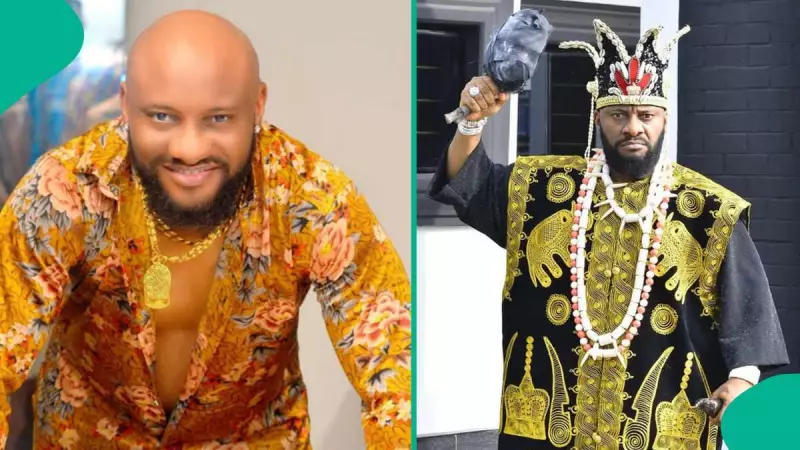
As political activities intensify in preparation for Nigeria's 2027 general elections, prominent public figures are increasingly declaring their political affiliations and showing support for preferred candidates. In a significant development that has generated considerable discussion across social media platforms, Nollywood actor and former politician Yul Edochie has officially registered as a member of the ruling All Progressives Congress through the party's electronic registration system.
From DPC Candidate to APC Member: Edochie's Political Journey
The actor, who previously emerged as the Anambra State governorship candidate for the Democratic Peoples Congress during the 2017 election cycle, announced his new political affiliation on Friday, January 20. In a social media post accompanied by a graphic of his official party membership card, Edochie described the APC as "the largest political party in Africa" and urged his substantial following to consider joining the ruling party.
"The beautiful country we dream of, we must all roll up our sleeves and work to achieve it. Registration completed. Now a member of the largest political party in Africa, the APC," Edochie wrote, framing his decision as part of a commitment to Nigeria's renewal under the party's "Renewed Hope" agenda. The actor has been a visible supporter of President Bola Tinubu on various social media platforms in recent months.
Timing and Context: The Obi Cubana Comparison
Edochie's announcement comes shortly after reports surfaced that prominent businessman Obi Cubana had been appointed as the Southeast zonal coordinator for the City Boy movement. This youth-focused political mobilization initiative is reportedly backed by Seyi Tinubu, the son of President Bola Tinubu, and while it often aligns with APC interests, it operates as an independent entity rather than an officially registered arm of the party.
The proximity of these two developments has led to inevitable comparisons and commentary among political observers and social media users, with some suggesting varying levels of recognition and reward for different public figures aligning with the ruling party's structures and affiliated movements.
Mixed Reactions Flood Social Media Platforms
The Nollywood star's political declaration has generated polarized responses across digital platforms. While some supporters of the ruling party have welcomed his call for political unity and engagement, others have expressed criticism and skepticism about his motivations.
Social media commentary has ranged from supportive messages celebrating increased political participation in Southeast regions to pointed critiques questioning the actor's political trajectory and personal decisions. One particularly notable comment referenced the Obi Cubana appointment directly, stating: "They don appoint Obi cubana oh, odogwu odiegwu nothing for you oh," highlighting perceptions of differential treatment among public figures aligning with the ruling party.
Other reactions have focused on Edochie's personal life, with some users connecting his political move to previous controversies surrounding his marital situation. The actor has faced substantial online criticism since publicly acknowledging his relationship with his second wife, Judy Austin, while navigating divorce proceedings with his first wife, May Edochie.
Broader Political Landscape Ahead of 2027
Edochie's move occurs within a broader context of political realignment and preparation for the next general elections. As various parties begin to consolidate support and mobilize their bases, the involvement of celebrities and public figures has become an increasingly visible aspect of Nigeria's political landscape.
The actor's transition from the opposition DPC to the ruling APC reflects the fluid nature of political affiliations in Nigeria's multi-party democracy, where cross-carpeting and party switching remain common phenomena, particularly as election cycles approach.
This development also highlights the growing intersection between entertainment, celebrity culture, and political engagement in Nigeria, with public figures leveraging their platforms and followings to influence political discourse and participation.