The Independent National Electoral Commission (INEC) has tasked Electoral Officers (EOs) and Assistant Electoral Officers (AEOs) in Osun State with aggressive grassroots voter education and deliberate inclusivity measures as the Commission ramps up preparations for the August 15, 2026, Osun State Governorship Election.
At a high-level Joint Implementation Meeting of the Voter Education & Publicity (VEP) and Gender & Inclusivity (G&I) Departments, held on Monday at El Bee Grandeur and Longue, Osogbo, the Commission’s leadership declared that election is a process, not an event, and warned that voter apathy remains a critical threat to electoral participation in Nigeria.
REC Emphasizes Meticulous Planning
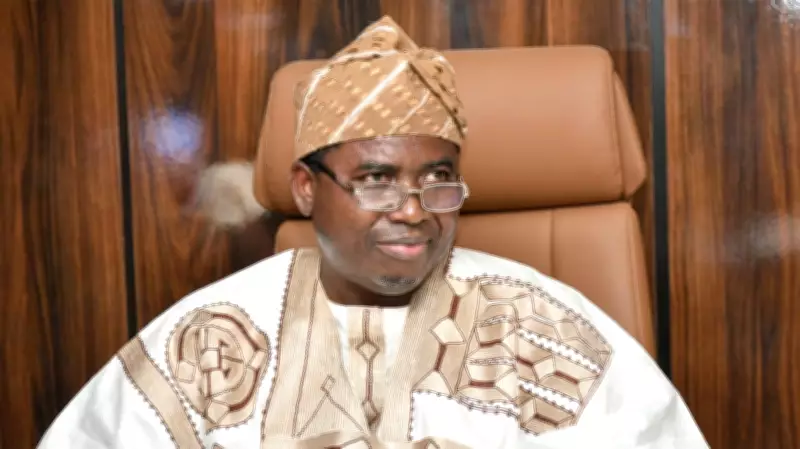
Welcoming participants to the joint implementation meeting, the Honourable Resident Electoral Commissioner for Osun State, Mrs. Oluwatoyin O. Babalola, emphasised that successful elections are products of meticulous planning, extensive voter engagement, continuous public sensitisation, and deliberate efforts to ensure every eligible citizen is adequately informed and empowered.
Mrs. Babalola noted that despite continuous improvements in electoral administration, many citizens fail to participate actively due to misinformation, inadequate knowledge of electoral processes, distrust in the system, political disengagement, and limited access to election-related information.
“For a stand-alone Governorship Election such as the forthcoming Osun State Governorship Election, the responsibilities of the VEP Department become more critical,” she said. “Citizens must understand not only when elections will be held but also why their participation matters.”
Key VEP Activities Outlined
The REC outlined key VEP activities, including public awareness and sensitisation campaigns, community-based voter education at markets, motor parks, religious centres and schools, stakeholder engagement, and countering misinformation and disinformation in the digital era.
On inclusivity, she described it as “not merely a policy objective but a democratic imperative,” mandating that the G&I Desk coordinate activities targeting women, Persons with Disabilities (PWDs), youth, elderly persons, and other marginalised groups.
Mrs. Babalola urged every EO and AEO to identify communities with historically low voter turnout, establish functional relationships with traditional rulers and religious leaders, conduct regular grassroots voter education activities, and encourage community ownership of voter education initiatives.
“Every eligible voter must know: why voting matters, how to vote correctly, where to vote, and when to vote. Every woman, young person, elderly citizen, and person with disability must be made to feel that the electoral process belongs to them and that their voices matter,” she charged.