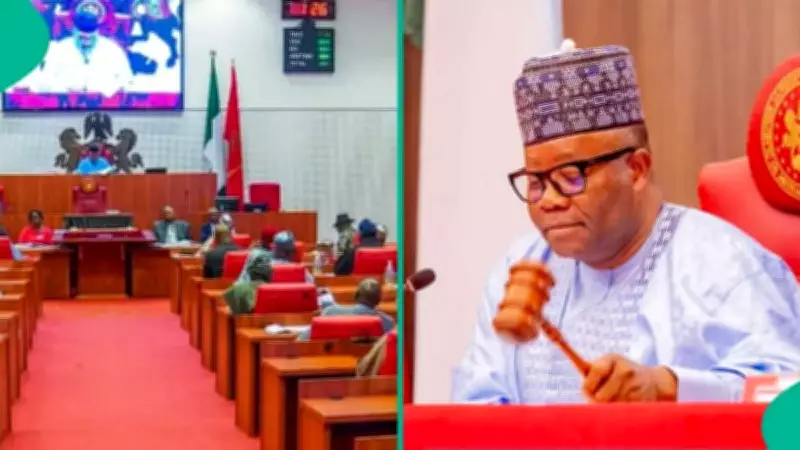
The Nigerian Senate has officially passed the Electoral Act, 2022 (Repeal & Enactment) Bill, 2026, following an extensive review of its 155 clauses. This legislative milestone occurred in Abuja, the Federal Capital Territory, marking a significant step toward refining the country's electoral framework.
Key Amendments to Election Timelines
One of the most notable changes in the bill involves the reduction of the timeline for the Independent National Electoral Commission (INEC) to publish election notices. Previously set at 360 days, this period has been shortened to 180 days. This amendment was introduced through a motion by Senator Tahir Monguno, who argued that the original timeline would be impractical for upcoming general elections.
Senator Monguno emphasized the necessity of this adjustment, stating, "Reducing the timeline is essential to ensure INEC can meet the publication requirements. Maintaining 360 days would render the process ineffective for the next electoral cycle." This change aims to streamline electoral preparations and improve administrative efficiency.
Retention of Original Provisions
Despite these amendments, the majority of the bill's clauses were retained as originally proposed. Senate proceedings revealed that lawmakers focused on selective revisions to enhance the overall effectiveness of Nigeria's electoral process, rather than overhauling the entire document. This approach underscores a commitment to preserving established frameworks while addressing specific areas for improvement.
Lawmakers have highlighted that the amendments are designed to bolster the transparency and reliability of elections, ensuring that the electoral system remains robust and responsive to contemporary challenges.
Next Steps in Legislative Process
With the Senate's approval, the bill now advances to subsequent stages of the legislative process before it can be enacted into law. Stakeholders, including political actors and electoral observers, are awaiting further details on how the revised timelines and other amendments will impact future elections, particularly those scheduled for 2027.
The passage of this bill reflects ongoing efforts to strengthen Nigeria's democratic institutions, with a focus on creating a more efficient and credible electoral environment. As developments unfold, additional clarifications are expected regarding the implementation of these new provisions.