Federal Government Reinforces UNICEF Partnership for Enhanced WASH Services Delivery
The Federal Government of Nigeria has officially reaffirmed its commitment to strengthening collaborative efforts with the United Nations Children's Fund (UNICEF) to significantly improve water, sanitation, and hygiene (WASH) services across the nation. This renewed partnership places particular emphasis on sustainability and climate resilience as critical components for long-term success.
High-Level Meeting in Abuja
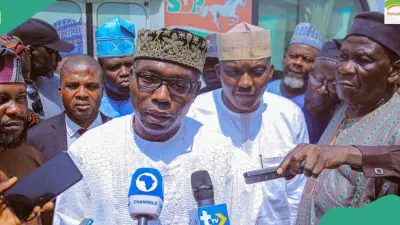
This commitment was prominently highlighted during a courtesy visit in Abuja, where the Minister of Water Resources and Sanitation, Professor Joseph Terlumun Utsev, alongside the Permanent Secretary, Dr. Emanso Okop Umobong, received the newly appointed Chief of WASH for UNICEF Nigeria, Engineer Emily Rand, and UNICEF WASH Manager, Jolly Ann Maulit. The meeting served as a platform to discuss strategic alignment and enhanced cooperation between the two entities.
A formal statement released by the ministry on Friday confirmed that the discussions underscored a shared resolve to deepen partnerships aimed at advancing sustainable and inclusive WASH services. This alignment is in direct accordance with Nigeria's development priorities and the Sustainable Development Goals (SDGs), particularly those focused on improving public health outcomes and effective water resource management.
Minister's Emphasis on Sustainability and Proactive Engagement
During the visit, Minister Utsev commended UNICEF for its longstanding support and impactful interventions within Nigeria's WASH sector. He emphasized that continued collaboration remains absolutely critical for addressing the existing challenges that hinder comprehensive service delivery. The Minister specifically identified sustainability as a paramount concern, stressing the urgent need for coordinated strategies to ensure the long-term viability and success of WASH programmes.
Utsev disclosed that the Permanent Secretary would work closely with the Ministry's technical directors to harmonize all ongoing initiatives, meticulously identify existing gaps, and clearly define priority areas that require UNICEF's targeted intervention. He further emphasized a strategic shift toward a more proactive engagement model, stating that the Ministry would intensify direct collaboration with UNICEF through regular, structured interactions. This approach is designed to enhance programme design, implementation efficiency, and overall sustainability.
The Minister reaffirmed the government's unwavering determination to build a results-driven partnership capable of delivering measurable, tangible improvements in water supply, sanitation facilities, and hygiene services nationwide.
UNICEF's Commitment and Strategic Alignment
In her remarks, Permanent Secretary Dr. Umobong described UNICEF as a reliable and steadfast partner with a strong legacy of support in Nigeria's WASH sector. She expressed considerable optimism about strengthening collaboration with the new UNICEF leadership to better align strategies and enhance the effectiveness of ongoing programmes.
Responding to the government's commitment, UNICEF WASH Chief Engineer Emily Rand reiterated the organization's dedication to supporting Nigeria through impact-driven programmes. She noted that initiatives demonstrating clear, measurable results would continue to attract necessary funding. Rand also highlighted significant opportunities to leverage climate financing mechanisms to expand WASH access, with a special focus on vulnerable children across the country.
Similarly, UNICEF WASH Manager Jolly Ann Maulit stated that many of the Ministry's stated priorities are already embedded within UNICEF's operational plans. These include critical areas such as water quality monitoring, robust WASH data systems, comprehensive technical support, and public-private partnership frameworks. She emphasized UNICEF's ongoing efforts to strengthen sustainability initiatives, scale climate-resilient approaches, and enhance data-driven planning processes. Maulit also confirmed continued support for Open Defecation Free (ODF) programmes being implemented across various regions of Nigeria.
Comprehensive Programme Review
The high-level meeting also featured detailed presentations from relevant departments and agencies within the Ministry of Water Resources and Sanitation. These presentations outlined key achievements, provided updates on ongoing projects, and identified specific priority areas requiring further technical collaboration and support from UNICEF to achieve national WASH objectives.