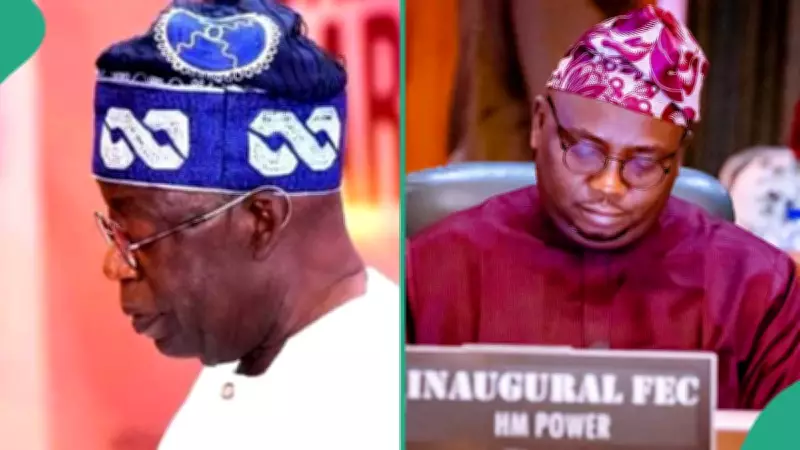
Power Minister Adebayo Adelabu Steps Down from Tinubu's Administration
In a significant development, Adebayo Adelabu, the Minister of Power under President Bola Tinubu, has officially resigned from his position within the current federal government. This move comes as a direct response to a presidential directive requiring political appointees with aspirations for the 2027 elections to submit their resignations by March 31, 2026.
Background and Political Ambitions
Adebayo Adelabu, who previously contested in the Oyo state governorship election in 2023, is widely speculated to be preparing for another bid in the 2027 polls in the southwestern state. His resignation aligns with President Tinubu's mandate aimed at ensuring that cabinet members focus on governance without the distractions of upcoming electoral campaigns. This policy underscores the administration's commitment to transparency and ethical conduct in public service.
Context of Resignation Amid Power Sector Challenges
The minister's departure occurs against a backdrop of growing public dissatisfaction with Nigeria's electricity supply, which has reportedly deteriorated in recent times. Many citizens have taken to social media platforms to voice their frustrations, criticizing Adelabu's handling of the power sector and calling for improved performance. The resignation has sparked discussions about the broader implications for energy policy and the need for urgent reforms to address the nation's persistent power issues.
Reactions and Future Implications
While the official reasons for Adelabu's resignation are tied to electoral ambitions, the timing has raised questions about the interplay between political aspirations and governance effectiveness. Observers note that this development could impact the Tinubu administration's efforts to stabilize the power sector and meet public expectations. As the government moves forward, attention will likely shift to the appointment of a successor and the potential for new strategies to enhance electricity distribution and reliability across Nigeria.
In summary, Adebayo Adelabu's resignation marks a pivotal moment in Nigerian politics, highlighting the ongoing challenges in the power sector and the evolving landscape of political appointments ahead of the 2027 elections. The situation continues to unfold, with stakeholders monitoring subsequent actions by the presidency and the broader implications for national development.