The Presidency has clarified that the Tinubu administration is borrowing to invest in critical sectors of the economy, particularly infrastructure, in response to concerns raised by the Emir of Kano, Muhammadu Sanusi II.
Sanusi's Concerns on Borrowing
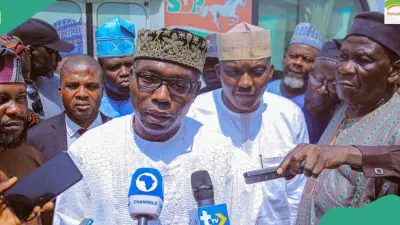
Speaking during a News Central TV interview on Friday, Sanusi, a former Governor of the Central Bank of Nigeria (CBN), questioned why Nigeria continues to borrow despite the removal of fuel subsidy. He noted that with the country now having its own domestic refinery and exporting petroleum products to Europe, the economic gains should reduce the need for borrowing.
Sanusi stated, "Artificial exchange rates, especially when you’re printing money, cannot work. There was going to be a devaluation." He acknowledged that removing subsidy and liberalising exchange rates are positive interventions but questioned the timing and the lack of fiscal consolidation. "If you’re not paying the subsidy and you’ve got the money, why are we still borrowing and borrowing? What are we borrowing for?" he asked.
Presidency's Response
In response, the Special Adviser to the President on Policy Communication, Daniel Bwala, explained on X that the loans are targeted at addressing the infrastructure deficit. He wrote, "Your Royal Highness, we are simply borrowing to invest in the critical sectors of our economy, the chiefest of which is INFRASTRUCTURE. The infrastructure deficit requires a yearly investment of at least $30B-100B, and what we have is insufficient, hence the borrowing."
Bwala emphasised that the borrowing is not for recurrent expenditure but for long-term investments that will stimulate economic growth and development.