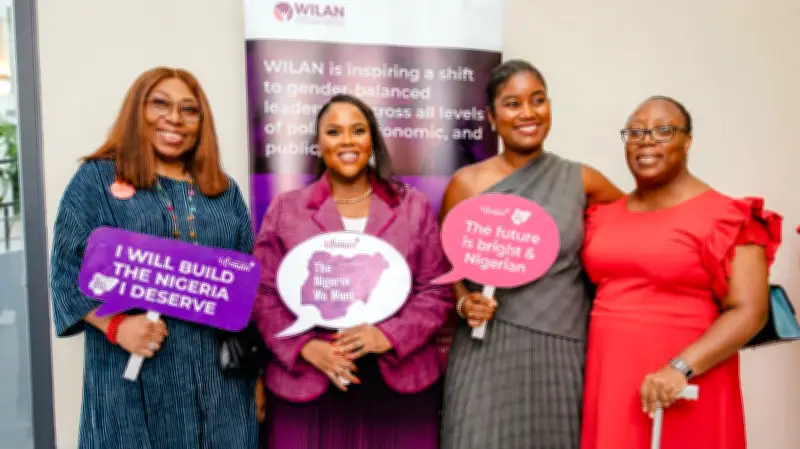
Women leaders across various sectors in Nigeria have emphasized the urgent need to break down sector-based silos, build strategic relationships, and advance women's influence in decision-making processes. They stressed the importance of transitioning women's leadership from mere representation to achieving real, systemic influence, ensuring that women not only occupy seats at the table but also shape the structures, policies, and institutional cultures that define outcomes at the national level.
Cross-Sector Convening in Abuja
Senior and emerging women leaders from law, health, finance, agriculture, government, and civil society made these submissions at the Women in Leadership Cross-Sector Convening held in Abuja. The event, themed 'Connecting Impact: Cross-Sector Leadership for National Growth', was organized by the Women in Leadership Advancement Network (WILAN Global) in coalition with Women in Management, Business and Public Service (WIMBIZ), Women in Successful Careers (WISCAR), and the Nigeria Governors Forum (NGF).
Call to End Siloed Leadership
In a statement issued by WILAN's Communication Officer, Confidence Chukwuemeka, the founder of WILAN Global, Abosede George-Ogan, noted that women across Nigeria are facing increasingly complex challenges that no single sector can solve alone. She lamented that excellent women leaders across sectors have been working in silos. George-Ogan emphasized that leadership is not simply about occupying positions but about creating pathways, expanding possibilities, and building institutions that outlast those who lead. She explained that the Women in Leadership Cross-Sector convening reflects WILAN Global's broader mandate to build the infrastructure for women's leadership advancement through individual empowerment and collective action among women across sectors who share a common stake in Nigeria's growth and development.
Keynote Address on Collaborative Leadership
Delivering the keynote address, the Second Deputy Governor of the Ghana Revenue Authority (GRA), Elsie Addo Awadzi, highlighted the growing importance of collaborative leadership in addressing complex development challenges. Drawing on her experience across governance, finance, and public policy, Awadzi stressed the need for leaders who can work across institutional and sectoral boundaries to drive sustainable progress. 'The era of siloed leadership is ending. The leaders who will define the next generation of African development will not be those who know the most about one sector. They will be those who can connect sectors, align incentives, build coalitions, and mobilise diverse actors around shared national priorities. The future belongs to integrators and collaborators,' she stated.
Public Sector Roundtable and Panel Sessions
The Public Sector Roundtable, tagged 'Strengthening Subnational Systems for Change', brought together senior women in public leadership to examine the role of subnational governance in advancing inclusive development outcomes. The discussion explored opportunities for strengthening institutional coordination, improving service delivery, and expanding women's influence within public decision-making structures.
The first panel session, themed 'From Seats at the Table to Shaping the Table: Women Leading Systems Change Across Sectors', featured women leaders from diverse sectors who reflected on their experiences driving organizational and systems-level change. They addressed issues such as institutional reform, coalition building, leadership credibility, and sustaining influence within complex environments.
The second panel session, themed 'The Next Wave: Emerging Women Leaders, Driving Influence and Impact', brought together accomplished early and mid-career women leaders from sectors including health, finance, agriculture, and the environment. They shared perspectives on leadership development, navigating professional transitions, building influence, and positioning themselves for greater impact within their respective fields.