
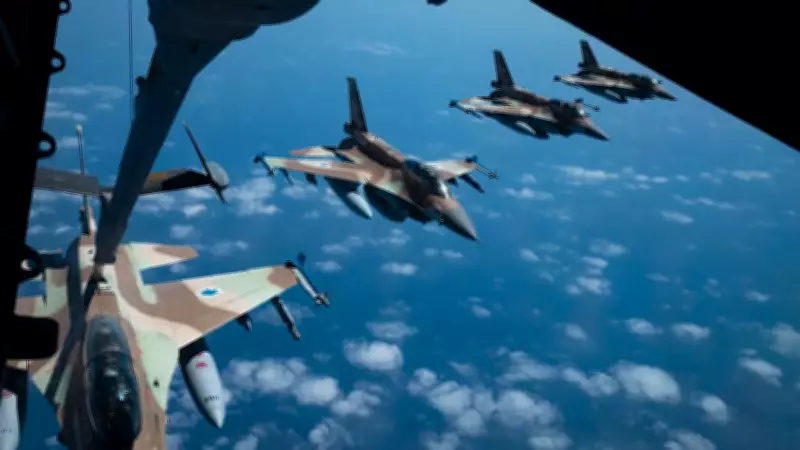
Austria Blocks US Warplanes from Using Airspace for Iran Military Operations
Austria has officially refused to allow United States fighter jets to use its airspace for military operations against Iran, citing its long-standing neutrality laws as the primary reason. The country's defence ministry confirmed that the United States will not be granted permission to conduct missions through Austrian airspace linked to the ongoing conflict in the Middle East.
Neutrality Policy and Legal Framework
Austria's neutrality policy, which has been in place for decades, prohibits the nation from joining military alliances such as NATO or supporting foreign military operations. This includes granting access to its airspace for offensive missions. Officials stated that there have been several requests from the US, though each case will be reviewed individually in coordination with the foreign ministry to ensure compliance with national and international laws.
The decision reflects growing caution among some European countries about direct involvement in the conflict, as geopolitical tensions continue to escalate. Political figures within Austria have also voiced strong opposition to any form of military support. Sven Hergovich, leader of the Social Democratic Party, urged the government not to approve any US military or logistical flights, warning that the war could harm European stability and economic interests.
European Responses and Divisions
Austria's stance follows similar moves by other countries in the region. Spain has also blocked US warplanes from using its airspace for operations in the Middle East, while nations such as France, Italy, and Switzerland have taken restrictive positions on the matter. In contrast, the United Kingdom has allowed US aircraft to operate from certain bases, including RAF Fairford and Diego Garcia, though officials emphasize that these are limited to defensive purposes.
The differing responses among European allies highlight significant divisions over the conflict and the extent of support for US-led military actions. This divergence underscores the complex diplomatic landscape as nations balance their strategic interests with international obligations.
US Criticism and Geopolitical Implications
US President Donald Trump has criticized allies for their reluctance to fully support operations against Iran, accusing some countries of failing to contribute meaningfully to the effort. The situation underscores increasing geopolitical tensions as the conflict continues to draw in international attention and differing strategic positions. The ongoing debate over airspace access and military support is likely to influence future diplomatic relations and security cooperation in Europe and beyond.




