
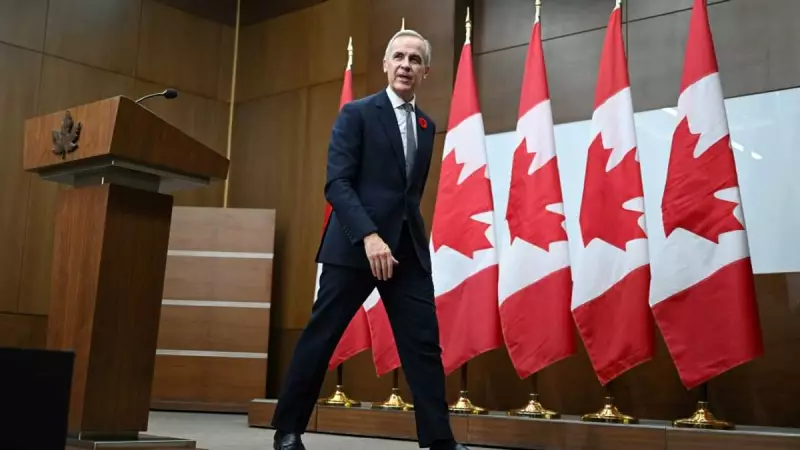
In a dramatic diplomatic development that has captured global attention, Canadian Prime Minister Justin Trudeau has extended a formal apology to former United States President Donald Trump. This unexpected move comes after what insiders describe as particularly challenging discussions with Chinese President Xi Jinping.
The Diplomatic Turning Point
The apology marks a significant shift in North American political dynamics, revealing the complex pressures facing Western leaders in their dealings with China. According to diplomatic sources, Trudeau's conversations with President Xi reached such a critical juncture that the Canadian leader felt compelled to mend fences with his southern neighbor.
"This represents a major recalibration in Canada's foreign policy approach," noted one senior diplomatic analyst. "When dealing with global powers like China, Western nations often discover they need each other more than they anticipated."
Behind the Scenes of High-Stakes Diplomacy
While specific details of the Trudeau-Xi discussions remain confidential, multiple sources confirm the talks covered sensitive trade issues, human rights concerns, and the ongoing geopolitical tensions between Western nations and China. The intensity of these negotiations apparently prompted Trudeau's unexpected outreach to the former American president.
The development underscores several critical aspects of contemporary international relations:
- The continuing complexity of China-Western relations
- The interconnected nature of North American diplomacy
- The lasting influence of former leaders in current political dynamics
- The delicate balance smaller nations must maintain between global superpowers
Regional Implications and Global Reactions
Political observers across Africa and developing nations are watching these developments closely, as they demonstrate how middle powers navigate relationships between competing global giants. The Trudeau-Trump apology saga offers valuable lessons in diplomatic pragmatism and the sometimes unexpected alliances that form in response to Chinese influence.
"This situation illustrates that in international politics, yesterday's adversaries can become today's necessary partners when facing common challenges," commented an African diplomatic scholar familiar with China-Africa relations.
The apology and its surrounding circumstances continue to generate discussion among policy experts, with many viewing it as indicative of broader realignments in global power structures and alliance systems.




