
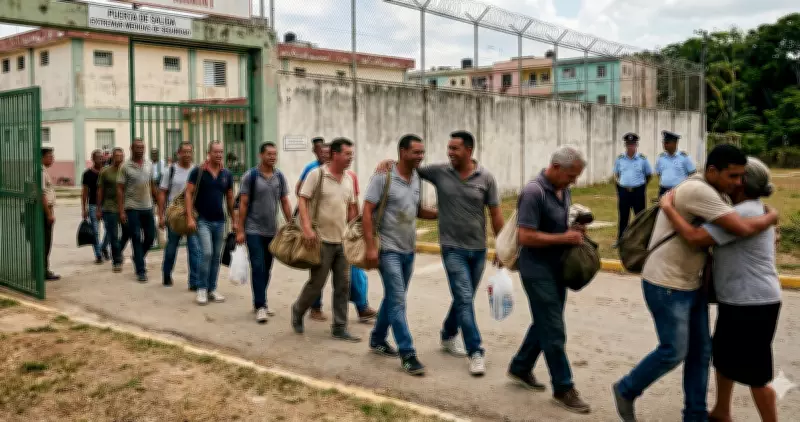
Cuba Announces Major Prisoner Release Amid Mounting US Pressure
The Cuban government announced on Saturday, April 3, that it will release 2,010 prisoners in what it describes as a humanitarian gesture. This decision comes as pressure from the United States continues to intensify, with economic sanctions and political demands creating significant strain on the island nation.
Details of the Release Plan
The announcement was made by the Cuban Embassy in the United States through social media channels. Officials emphasized that the release is tied to the observance of Holy Week, rather than directly addressing the ongoing tensions with Washington. According to the government statement, the prisoners set to be freed include:
- Foreign nationals
- Cuban citizens living abroad
- Young people
- Women
- Older adults
Authorities stated that the selection criteria for release are based on multiple factors, including good conduct, time already served, the nature of the offenses, and the health conditions of the inmates. However, no specific timeline has been provided for when the releases will occur, and officials have not disclosed the exact crimes committed by those affected. It remains unclear whether individuals convicted during recent protests are included in this group.
Political Prisoner Controversy
While Cuban authorities consistently deny holding political prisoners, human rights organizations present a different picture. The group Prisoners Defended has reported that more than 1,200 people are currently detained on political grounds in Cuba. This discrepancy highlights the ongoing debate about political freedoms and human rights on the island, which has been a point of contention in international relations for decades.
US Pressure and Economic Context
The prisoner release announcement comes at a time when the administration of former President Donald Trump has significantly intensified economic pressure on Cuba. This includes an effective oil blockade that has contributed to severe fuel shortages and broader economic strain. The United States has been pushing for comprehensive political and economic reforms in Cuba, although the specific details of these demands have not been fully disclosed to the public.
Washington has signaled that any relief from sanctions would depend on substantial changes by the Cuban government. US Secretary of State Marco Rubio has previously stated that Cuba must undergo major reforms to qualify for any easing of sanctions, emphasizing that the country's economic challenges are intrinsically linked to its political system.
Broader Implications
This prisoner release represents one of the largest such gestures in recent Cuban history and occurs against a backdrop of:
- Increasing international scrutiny of Cuba's human rights record
- Growing economic difficulties exacerbated by US sanctions
- Ongoing diplomatic tensions between Havana and Washington
- Internal pressures from Cuban citizens seeking greater freedoms
The move may be interpreted as both a humanitarian action and a potential response to external pressure, though Cuban officials maintain it is primarily motivated by religious observance during Holy Week. As the situation develops, observers will be watching closely to see how this release affects US-Cuba relations and whether it leads to broader changes in Cuban policy.




