
Ghana's Foreign Minister Clarifies Free Visa Policy Amid Public Concerns
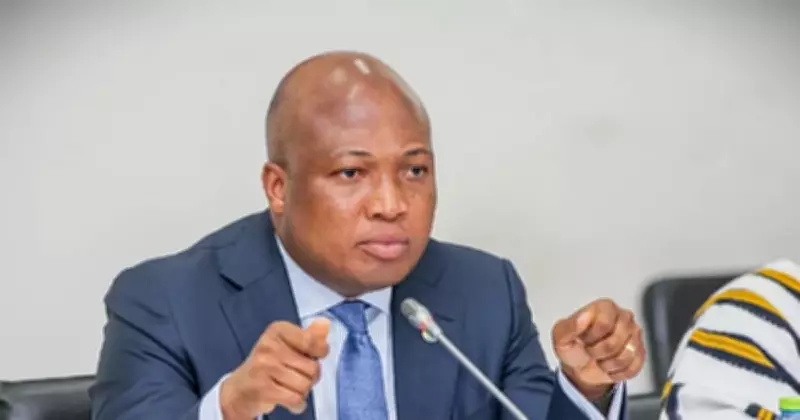
Ghana's Foreign Minister, Samuel Okudzeto Ablakwa, has provided crucial clarification regarding the country's newly announced free visa policy for African nationals, emphasizing that it does not equate to visa-free entry. This announcement comes in response to growing public concerns and misconceptions about the policy's implications for immigration control.
Policy Details and Implementation Timeline
The free visa initiative was formally announced by President John Dramani Mahama on April 6, 2026, following a bilateral meeting with Zimbabwean President Emmerson Mnangagwa at Peduase Lodge. The policy is scheduled to take effect on May 25, 2026, a date deliberately chosen to coincide with Africa Day celebrations.
President Mahama framed this decision within Ghana's historical Pan-Africanist identity, stating, "As a cradle of Pan-Africanism, Ghana believes it has a historic responsibility to remain open to Africans from across our continent." He invoked the legacy of Ghana's first president, Kwame Nkrumah, and the country's longstanding commitment to African unity.
Distinguishing Free Visa from Visa-Free Entry
Foreign Minister Ablakwa addressed widespread confusion about the policy, stating clearly, "Free visa does not equal visa free. The two don't mean the same." He explained that many Ghanaians had misinterpreted the announcement as signaling an open-border policy that could lead to uncontrolled immigration.
"I've seen a lot of misconceptions out there," Ablakwa noted. "People say 'oh, then we are going to be swamped,' because they are confusing free visa with visa free."
Application Process and Security Measures
The minister detailed that while African travelers will be exempt from paying visa fees, the application process remains fully intact. Applicants must still complete online applications, submit required documentation, and undergo thorough vetting by consular officers.
Ghana's screening system maintains connections to multiple international criminal databases, ensuring comprehensive security checks. Authorities retain the right to deny entry to any applicant with a criminal record or whose intentions cannot be clearly established.
"We still reserve a right to stop you," Ablakwa emphasized, underscoring that security remains a priority despite the fee exemption.
Broader Visa Reform Context
The free visa policy forms part of a comprehensive e-visa reform program scheduled for implementation next month. Under this broader initiative, non-African nationals will continue to pay approximately $250 for visa applications, maintaining differentiated treatment based on continental origin.
This policy distinction reflects Ghana's strategic approach to balancing Pan-African solidarity with national security considerations, creating a framework that encourages African mobility while preserving immigration control mechanisms.
Public Response and Government Communication
The initial announcement generated significant public discussion, with many citizens expressing concerns about potential immigration surges. The foreign minister's clarification aims to address these worries while promoting accurate understanding of the policy's practical implications.
Government officials continue to emphasize that the policy change primarily affects the cost structure of visa applications rather than the fundamental criteria for entry approval. For African travelers planning visits to Ghana after May 25, 2026, the visa will be free, but obtaining it still requires meeting established security and documentation standards.




