
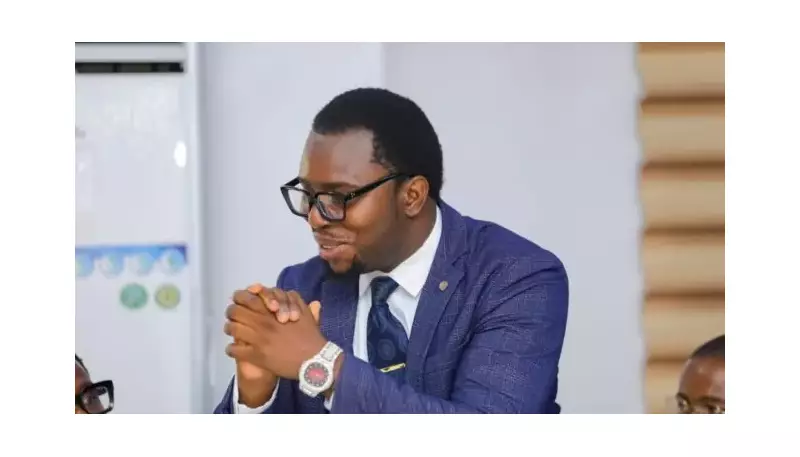
The International College for Diplomatic Affairs (ICDA) has embarked on a significant new path, electing fresh leadership and committing to an ambitious reform agenda aimed at amplifying its voice on the world stage. This pivotal shift was announced during the organisation's Annual General Assembly, which convened in Lagos on 19 December 2025.
New Leadership for a Renewed Mandate
At the heart of the assembly was the election of a new Secretary-General. Delegates appointed Ambassador Dr. Tasie Akobuike Daniel to steer the organisation for the next decade. Dr. Daniel is no stranger to the ICDA, having previously served as the Director-General of its academic wing, where he championed professional training and capacity-building programmes. His extensive experience also includes a prior role as Head of Mission in Nigeria.
Following his election, Ambassador Daniel is now tasked with a critical mission: to oversee strategic reforms and ensure the implementation of all decisions ratified during the landmark Lagos meeting. His ten-year term is expected to provide stable leadership for the ICDA's expansive goals.
A Blueprint for Global Impact
The assembly, themed "Restructuring for Global Impact," served as a platform to redefine the ICDA's core objectives. Members unanimously reaffirmed the college's mandate to act as a formidable influencer in the decision-making processes of nation-states. Central to this renewed drive is a strong advocacy for:
- Global peace and the de-escalation of conflicts in volatile regions.
- Robust strategies to tackle the menace of terrorism.
- Collaborative solutions to emerging global security and governance challenges.
Discussions extensively focused on how the institution can expand its footprint within international diplomatic discourse, moving beyond education to active policy advocacy.
Strategic Reforms and Future Direction
The gathering was not merely ceremonial; it was a strategic workshop aimed at enhancing the ICDA's relevance in international relations. Members critically reviewed existing methodologies and plotted a course to strengthen the college's global influence. The emphasis was on creating practical, collaborative approaches to the world's most pressing issues, ensuring that the ICDA's work translates into tangible diplomatic outcomes.
The resolutions passed in Lagos clearly signal the ICDA's intent to transition into a more proactive entity. With a new leader at the helm and a clear reform agenda focused on peace and strategic influence, the college is positioning itself as a key player in shaping the future of global diplomatic affairs.




