
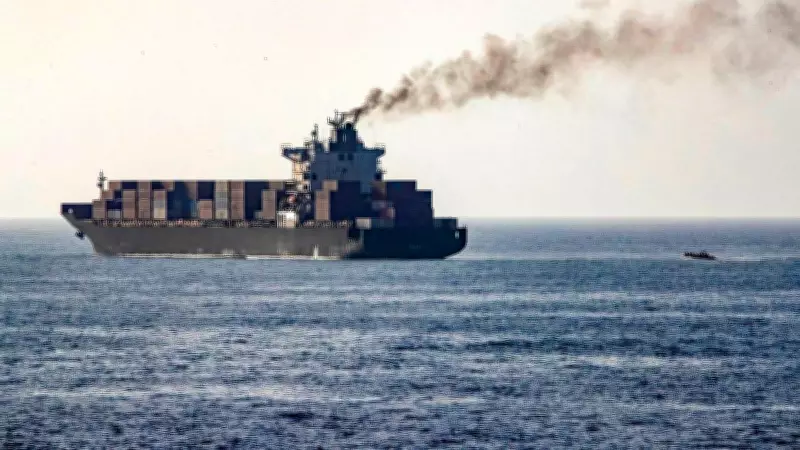
In a significant escalation of tensions in a key global shipping lane, an Iranian gunboat attacked a container ship navigating the strategic Strait of Hormuz early this morning, according to reports from the United Kingdom Maritime Trade Operations (UKMTO) center. The British military's maritime agency detailed that the vessel was approached by a boat belonging to Iran's Revolutionary Guard, which subsequently fired upon the ship, resulting in heavy damage to its bridge structure.
Details of the Maritime Incident
The UKMTO confirmed that all crew members aboard the targeted container ship are safe and accounted for, with no reports of fire or environmental impact stemming from the attack. This assurance comes amid heightened concerns over maritime security in the region, which is a critical chokepoint for global oil and trade flows. Iranian state media, specifically Nour News—an outlet linked to the Revolutionary Guard—provided its version of events, stating that the container ship ignored warnings before being fired upon by Iranian armed forces, leading to extensive damage.
Broader Geopolitical Context
This aggressive maritime action occurs against the backdrop of ongoing diplomatic maneuvers involving the United States and Iran. US President Donald Trump recently announced an extension of a two-week ceasefire with Iran, citing Tehran's government as being seriously fractured. Originally set to expire on Wednesday, the ceasefire will now continue until Iranian leaders and representatives submit a unified proposal aimed at ending the conflict with the US and Israel.
Trump's decision underscores the volatile nature of US-Iran relations, which have been marked by periods of intense confrontation and tentative pauses. The attack on the container ship raises questions about Iran's adherence to de-escalation efforts and its willingness to engage in peaceful negotiations. Analysts suggest that such incidents could complicate ceasefire talks and potentially trigger retaliatory measures from international stakeholders.
Implications for Global Trade and Security
The Strait of Hormuz is one of the world's most vital maritime passages, facilitating the transit of approximately one-fifth of the global oil supply. Any disruption in this area can have far-reaching consequences for energy markets and international trade. The recent attack highlights the persistent risks faced by commercial vessels operating in these waters, despite ongoing security patrols and monitoring efforts by various nations.
Maritime experts warn that repeated incidents of this nature could lead to increased insurance premiums for ships traversing the region, as well as potential rerouting of cargo to avoid the strait. This, in turn, might result in higher shipping costs and delays, impacting global supply chains. The international community, including organizations like the UKMTO, continues to monitor the situation closely, urging all parties to exercise restraint and prioritize diplomatic solutions over military actions.
As developments unfold, stakeholders from the shipping industry, governmental bodies, and security agencies are likely to reassess their strategies for navigating the complex geopolitical landscape of the Middle East. The interplay between maritime security incidents and high-stakes diplomacy remains a critical area of focus for global stability.




