
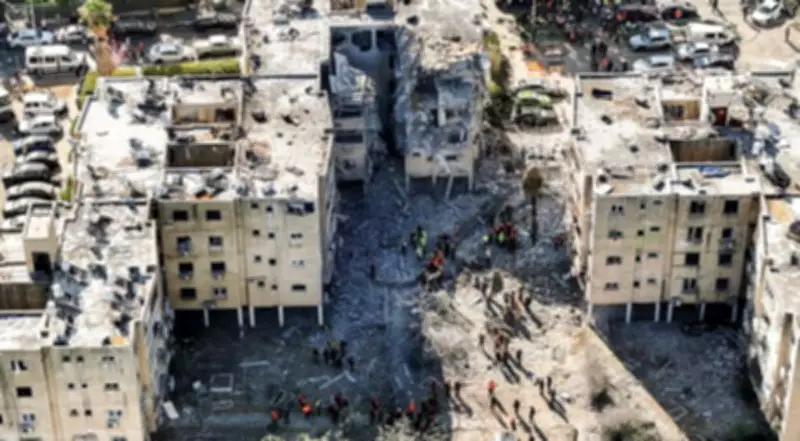
Iran Assesses $270 Billion in Damages from US-Israeli Military Strikes
Iran has released a preliminary estimate of approximately $270 billion in damages resulting from joint military strikes conducted by the United States and Israel, according to a statement from the Iranian government spokeswoman on Tuesday, April 14. The figure, while not final, highlights the severe economic and infrastructural impact of the recent regional hostilities.
Negotiations for War Reparations Underway
Fatemeh Mohajerani, the Iranian government spokeswoman, emphasized that one of the key issues being pursued by Iran's negotiating team is the matter of war reparations. This topic was reportedly discussed during talks held in Islamabad, Pakistan, as cited by Iran's semi-official Tasnim news agency from an interview with Russia's RIA Novosti.
Mohajerani clarified that the $270 billion estimate is subject to further examination, stating, "Damages usually have to be examined in several layers." This suggests that the total cost may evolve as more detailed assessments are conducted in the aftermath of the conflict.
Escalation of Regional Hostilities
The regional conflict intensified following joint strikes by the US and Israel against Iran on February 28, which resulted in thousands of casualties, including deaths and injuries. In response, Tehran launched retaliatory strikes targeting Israel, Iraq, Jordan, and Gulf countries that host US military assets.
A two-week ceasefire was announced last week, temporarily halting the hostilities. However, tensions remain high as diplomatic efforts continue to address the fallout from the military engagements.
Diplomatic Talks in Islamabad Conclude Without Agreement
Iranian and US delegations recently concluded 21 hours of talks in Islamabad, Pakistan, early Sunday, but failed to reach an agreement on key issues, including the proposed war reparations. The discussions, part of ongoing negotiations, underscore the complexities involved in resolving the conflict and addressing Iran's demands for compensation.
The situation remains fluid, with further assessments expected to refine the damage estimates and inform future diplomatic engagements. The international community is closely monitoring developments as efforts to stabilize the region and address the economic repercussions of the strikes continue.




