
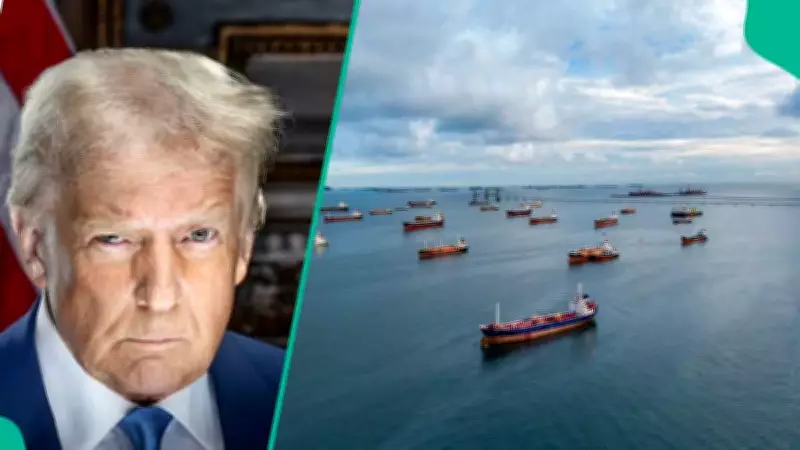
Iran Recloses Strait of Hormuz as Attacks Strike Vessels, Trump Issues Firm Warning
On Saturday, April 18, 2026, tensions in the Gulf region intensified dramatically after Iran once again shut down the strategically critical Strait of Hormuz. This move was swiftly followed by fresh attacks on commercial vessels off the coast of Oman, raising alarms over maritime safety and global trade disruptions.
Iran's Supreme National Security Council Reaffirms Control Over Waterway
Iran's Supreme National Security Council issued a statement reaffirming its determination to maintain control over the Strait of Hormuz until the ongoing conflict is resolved. The council accused the United States of violating a ceasefire by imposing continued naval restrictions in the area. In a stern warning, the council declared, "as long as the enemy intends to disrupt the passage of vessels and apply its naval blockade, Iran will view that as a violation of the ceasefire and prevent the conditional and limited reopening of the Strait of Hormuz." This stance underscores Iran's commitment to leveraging the waterway as a strategic asset amid rising geopolitical friction.
UK Maritime Trade Operations Confirms Attacks on Ships
The UK Maritime Trade Operations confirmed that a tanker and a container ship reported being attacked within hours of the strait's renewed closure. Additionally, a cruise ship sailing just three nautical miles east of Oman observed "a splash in close proximity," heightening concerns over the safety of vessels navigating the region. These incidents occurred after a brief reopening of the key shipping route on Friday, which had allowed limited maritime traffic to resume before the latest disruption. The attacks have prompted urgent assessments of security measures for commercial shipping in the Gulf.
President Trump Warns Iran Against Blackmail Tactics
Reacting from the Oval Office, US President Donald Trump issued a strong warning to Iran, stating that Washington would not tolerate attempts by Tehran to exert pressure through the Strait of Hormuz. Trump noted that there were "very good conversations going on" with Iran but accused its leadership of engaging in longstanding strategic manoeuvring. He emphasized, "Iranian authorities wanted to shut the strait, but the United States would not allow them to 'blackmail us'," insisting that the US was taking a firm position. Trump also hinted at further developments, indicating that there would be "some information by the end of the day" regarding the escalating situation.
Confusion and Uncertainty Over Maritime Activities
Despite diplomatic signals, conflicting reports about activities in the strait have created significant uncertainty, with observers noting difficulty in verifying claims from both sides. Data from maritime tracking platforms indicated that some vessels, including Indian-flagged ships such as the cargo vessel JAG ARNAV and oil tanker SANMAR HERALD, briefly transited the route earlier in the day before being forced to alter course after being denied passage by Iranian authorities. This confusion has compounded the volatility in the region, making it challenging to assess the true state of play.
Global Security Concerns Deepen Amid Regional Instability
The renewed disruption of the Strait of Hormuz has intensified fears over global energy supplies and maritime trade, given the strait's importance as a major oil transit corridor. In a related development, French President Emmanuel Macron confirmed that a French soldier was killed during a peacekeeping mission in Lebanon, further underlining the widening regional instability. The United Nations Interim Force in Lebanon reported that one of its patrols "came under small arms fire from non-state actors," adding to growing concerns over security across multiple flashpoints. As diplomatic efforts continue, the situation in the Strait of Hormuz remains highly volatile, with the risk of further escalation looming large.
Background: Trump's Earlier Directive on Strait Blockade
Earlier reports indicated that President Donald Trump had directed the U.S. Navy to begin enforcing a blockade of the Strait of Hormuz following stalled negotiations with Iran over its nuclear programme. Trump stated that discussions had advanced on several fronts but broke down over what he described as the central issue of Iran's nuclear ambitions. This historical context highlights the ongoing tensions and the complex interplay of military and diplomatic strategies in the region.




