
Iran's Military Firmly Rejects Trump's Negotiation Assertions Amid Escalating Conflict
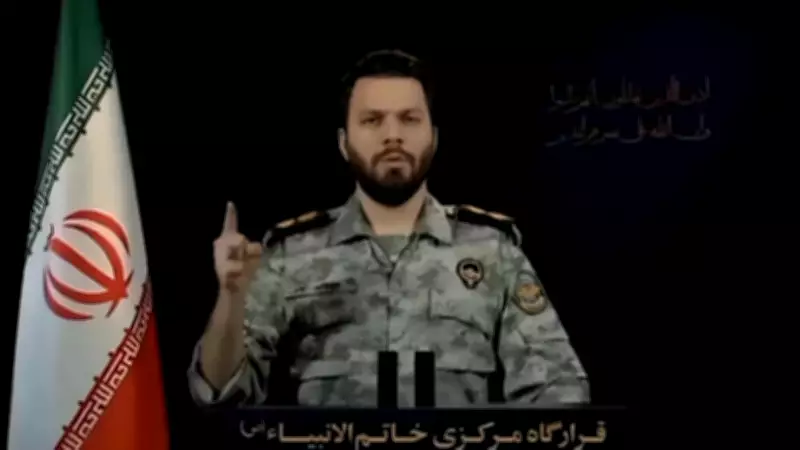
In a stark dismissal of recent claims, Iran's military has categorically denied reports by former U.S. President Donald Trump that negotiations are underway to resolve the ongoing hostilities. The armed forces, which are heavily influenced by the Islamic Revolutionary Guard Corps, issued a strong rebuttal, asserting that Washington is essentially negotiating with itself and that no such diplomatic engagements exist.
Military Spokesperson Emphasizes No Future Agreements with the U.S.
A senior military spokesperson, Ebrahim Zolfaqari, made it unequivocally clear that Iran will not enter into any agreements with the United States, either in the present or in the foreseeable future. This statement comes in response to emerging reports suggesting that the U.S. had put forward a multi-point plan aimed at de-escalating the mounting tensions between the two nations.
Iranian officials have pointed to past U.S. actions during previous negotiation rounds, which they argue have severely eroded trust and made any current talks untenable. The rejection underscores a deep-seated skepticism towards American diplomatic overtures, highlighting the complex and fraught nature of the bilateral relationship.
Fresh Airstrikes Intensify as Conflict Escalates
Simultaneously, the military confrontation between Israel and Iran has escalated dramatically, with both sides launching new waves of airstrikes. The Israeli military has confirmed executing a series of strikes targeting critical infrastructure in Tehran. Initial reports indicate that some residential zones were impacted, prompting urgent rescue operations to address the aftermath.
In a retaliatory move, Iran launched aggressive attacks on multiple locations within Israel, including the major cities of Tel Aviv and Kiryat Shmona. Additionally, state media reports reveal that Iranian forces targeted U.S. military installations in Kuwait, Jordan, and Bahrain, expanding the conflict's geographical scope.
Regional Fallout and Intercepted Attacks
The repercussions of these strikes have reverberated across the Middle East. Authorities in Kuwait and Saudi Arabia confirmed successfully intercepting drone attacks, with one incident at Kuwait International Airport resulting in a fuel tank fire. Fortunately, no casualties were reported from this event, but it underscores the heightened risks to regional stability and civilian safety.
No Signs of De-escalation Amid Sustained Offensives
Despite the rising human toll, increasing global economic pressures, and the intensification of military actions, there are currently no clear indicators that the conflict is moving towards de-escalation. Both sides continue to maintain sustained offensives, with no immediate diplomatic breakthroughs in sight. The situation remains volatile, with the potential for further escalation looming large over the international community.




