
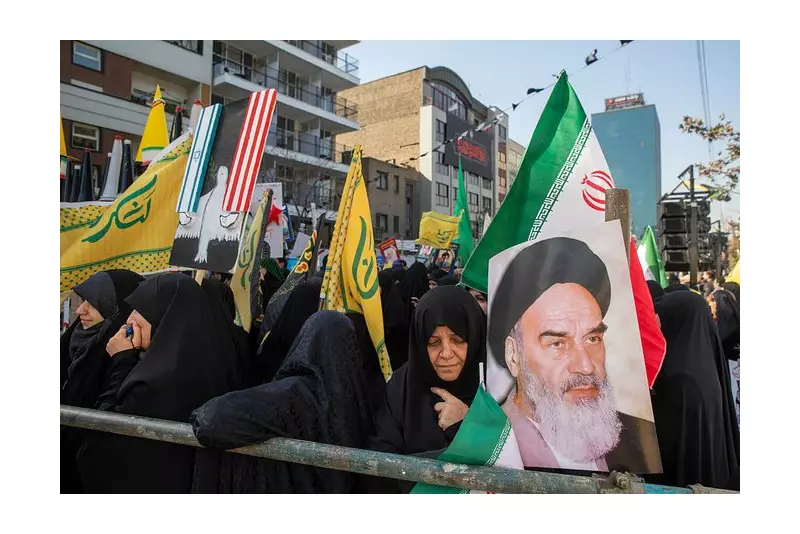
Iran has been thrown into a severe internet and communications blackout as widespread anti-government demonstrations continue to rock the country. The nationwide shutdown began on the night of Thursday, January 8, as protests against the ruling theocratic regime intensified.
Nationwide Shutdown and Escalating Protests
Authorities moved to cut off internet access and telephone lines shortly after protests erupted in the capital, Tehran, and several other major cities. This action came as the unrest entered its second week, with demonstrators expressing growing anger over severe economic hardship and ongoing security crackdowns.
Despite the blackout, videos from the demonstrations managed to circulate online, showing the scale of the discontent. Protests have been recorded in more than 100 cities, from the western province of Ilam near Iraq to Tehran and the northeastern city of Mashhad.
Human Cost and International Reaction
The human toll of the government's response has been significant. According to human rights groups, at least 45 protesters, including eight children, have been killed since the demonstrations began nearly two weeks ago. Hundreds more have been injured, and rights monitors report that over 2,000 people have been detained.
Cybersecurity experts indicate that such comprehensive internet shutdowns are typically imposed when authorities anticipate using deadly force against protesters. The aim is to restrict the flow of information and limit international scrutiny of events on the ground.
The unrest has drawn sharp international attention. US President Donald Trump warned that Washington would respond forcefully if Iranian security forces continue to kill protesters, repeating earlier threats during a radio interview.
From Economic Grievance to Political Demands
The protests initially sparked when shopkeepers in Tehran's Grand Bazaar demonstrated against worsening economic policies. The situation worsened dramatically after the central bank ended a program that allowed some importers access to cheaper foreign currency. This triggered sharp, overnight price increases for basic goods, forcing many businesses to close.
While authorities attempted to ease tensions by announcing small monthly cash handouts, officials acknowledged the measure would not resolve the deep-rooted crisis. Millions of Iranians are struggling with soaring inflation, a collapsing currency, and shortages of basic goods and medicine, with many saying prices rise by the hour.
Journalists and activists note that the protests have now moved beyond economic grievances. Demonstrators are openly calling for an end to the Islamic Republic, arguing the system is incapable of reform. Slogans such as "This is the last battle, Pahlavi will return" were heard during marches, with some protesters responding to calls by exiled Crown Prince Reza Pahlavi to take to the streets.
Verified videos show large crowds blocking roads, setting fires, and clashing with security forces. In provinces like Ilam and Lorestan, protesters have chanted slogans directly challenging Supreme Leader Ayatollah Ali Khamenei. Government buildings have been burned, national flags torn down, and security forces have engaged demonstrators.
State media has acknowledged "scattered" protests, reporting damage to property and unspecified casualties. Iranian authorities claim hundreds of police and paramilitary personnel have been injured, and several security personnel have been killed.
This wave of unrest marks the largest since the 2022 protests following the death of Mahsa Amini. Analysts highlight that the involvement of bazaar merchants, historically a key support base for the regime, signals a significant shift and deeper societal discontent. The protests unfold amid heightened regional tensions, further increasing pressure on Iran's leadership.




