Iran's New Supreme Leader Defies Trump with Strait of Hormuz Shutdown Order
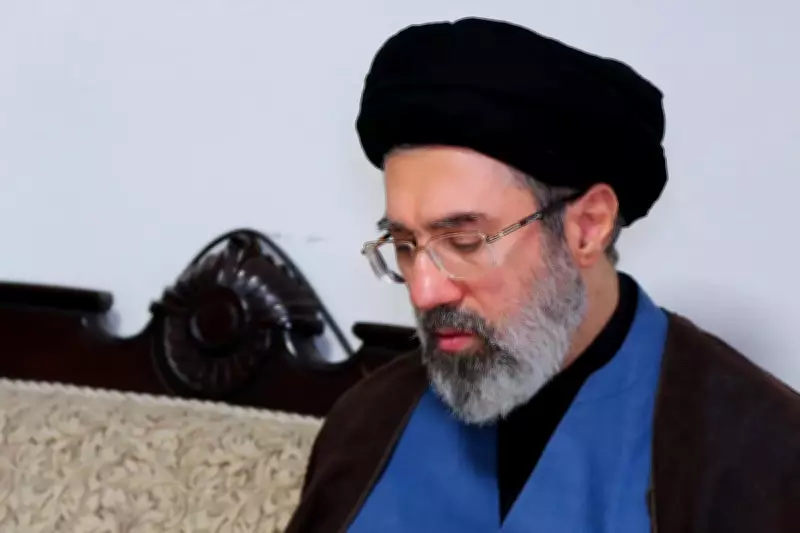
In a bold move that has escalated tensions in the Middle East, Iran's newly appointed Supreme Leader Ayatollah Mojtaba Khamenei has issued a directive to keep the strategic Strait of Hormuz closed. This critical decision was announced on Thursday, March 12, through a televised broadcast on state television, where a newscaster conveyed Khamenei's message to the nation and the world.
Background of the New Leadership
Ayatollah Mojtaba Khamenei, who succeeded his father Ali Khamenei after the latter was killed in initial US-Israeli attacks at the onset of the Middle East conflict, has not made any public appearances since his nomination as supreme leader the previous Sunday. Reports indicate he sustained injuries in an airstrike, adding to the volatile circumstances surrounding his leadership.
Strategic Implications of the Closure
The Strait of Hormuz is a vital maritime chokepoint through which approximately a quarter of the world's oil and liquefied natural gas (LNG) shipments typically pass. Khamenei emphasized the necessity of this action, stating, "The lever of blocking the Strait of Hormuz must definitely be used." He further called on Gulf countries to shut down their US military bases, framing the closure as a retaliatory measure against ongoing US and Israeli strikes.
Khamenei elaborated on Iran's stance, noting that while some aspects of their revenge have "taken concrete form," the full realization of their objectives remains a priority. This statement underscores Iran's commitment to pursuing its strategic goals despite international pressure.
Global Oil Market Reactions
In response to Iran's directive, the country launched a new series of attacks against energy targets in the Gulf region on the same day. These actions caused a temporary spike in oil prices, briefly pushing them above $100 per barrel. Analysts have warned that this crisis could potentially lead to "the largest supply disruption" in history, highlighting the severe economic ramifications of the ongoing conflict.
Trump's Dismissive Response
Amid growing global concerns, former US President Donald Trump downplayed the significance of the Strait of Hormuz closure. In a social media post, he wrote, "Of far greater interest and importance to me, as President, is stopping an evil Empire, Iran, from having Nuclear Weapons, and destroying the Middle East and, indeed, the World." This dismissal reflects the continued geopolitical tensions between the US and Iran, with Trump prioritizing nuclear non-proliferation over immediate oil market disruptions.
The situation remains fluid, with international observers closely monitoring developments in the region. The closure of the Strait of Hormuz not only threatens global energy security but also exacerbates existing conflicts, setting the stage for potential further escalations in the coming days.