
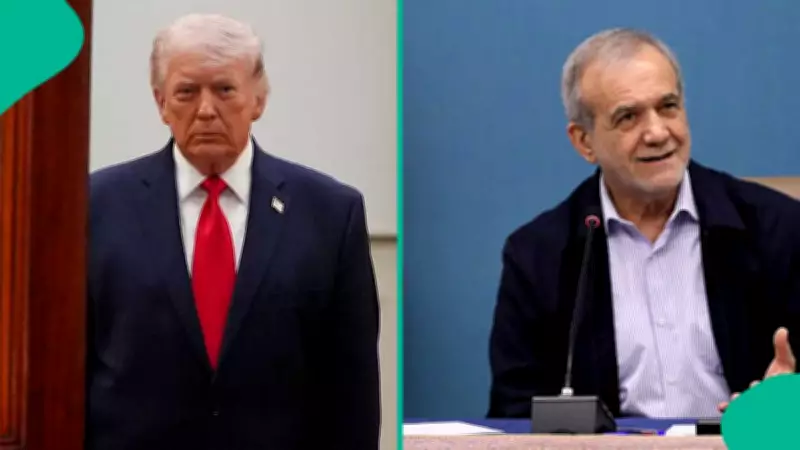
Iran Rejects US Ceasefire Proposal, Outlines Three Key Demands
Iran has formally rejected a ceasefire proposal from the United States, insisting on a definitive resolution to the ongoing war instead of a temporary truce. According to state media reports, Tehran has laid out three specific demands as conditions for peace, emphasizing that broader guarantees are necessary beyond short-term ceasefires.
Iran's Conditions for Ending the Conflict
The demands presented by Iran include:
- An end to hostilities across the entire region, not just in isolated areas.
- A protocol to ensure safe passage through the Strait of Hormuz, a critical maritime chokepoint for global oil shipments.
- The lifting of international sanctions imposed on Iran, which have severely impacted its economy.
These conditions underscore Iran's stance that partial measures are inadequate without comprehensive security and economic assurances. The rejection comes amid escalating military actions and diplomatic efforts in the region.
Trump's Response and Diplomatic Moves
Former US President Donald Trump has described a separate 45-day truce proposal as a "very significant step" toward de-escalation. However, the White House has clarified that Trump has not officially endorsed or signed any ceasefire agreement. During a recent public appearance, Trump made controversial remarks about the Iranian populace, stating they "want to hear bombs because they want to be free." He also reaffirmed an earlier ultimatum regarding the Strait of Hormuz, though details remain vague.
In a related development, Trump has hinted at potentially "winding down" the war, citing progress toward military objectives. Yet, historical patterns suggest such statements have preceded further escalations, with reports indicating Pentagon preparations for possible ground deployments into Iran.
Israel's Military Escalation
In a significant escalation, Israel has conducted a strike on Iran's South Pars petrochemical plant in Asaluyeh. This facility is responsible for approximately half of Iran's petrochemical production, making it a strategic economic target. Israeli Defence Minister Israel Katz confirmed the attack, labeling it as targeting "the largest petrochemical facility in Iran." The South Pars gas field, shared with Qatar, is the world's largest and lies beneath the Persian Gulf, highlighting the geopolitical stakes.
Iranian media has attributed the assault to both the US and Israel, exacerbating tensions. The conflict, which began with US and Israeli strikes on Iran in late February, has since intensified, resulting in over 25 casualties and retaliatory missile attacks by Iran on Israel and Gulf Arab states.
Key Figures and Regional Impact
The war has claimed high-profile casualties, including Maj.-Gen. Majid Khademi, head of intelligence for Iran's Islamic Revolutionary Guard Corps (IRGC), and Asghar Bakeri, leader of the IRGC's Quds Force undercover unit, accused of planning attacks on Israeli and US targets. These losses have further inflamed hostilities and complicated diplomatic outreach.
BBC correspondent Lyse Doucet reported that "frantic, last-ditch diplomacy is accelerating," with insiders stressing that a ceasefire must precede any substantive negotiations. The situation remains highly fluid, characterized by simultaneous military actions and diplomatic maneuvers across the Middle East.
As the conflict persists, the international community watches closely, with concerns mounting over regional stability and the potential for broader escalation. The interplay between military strikes, economic sanctions, and diplomatic efforts continues to shape the trajectory of this protracted war.




