
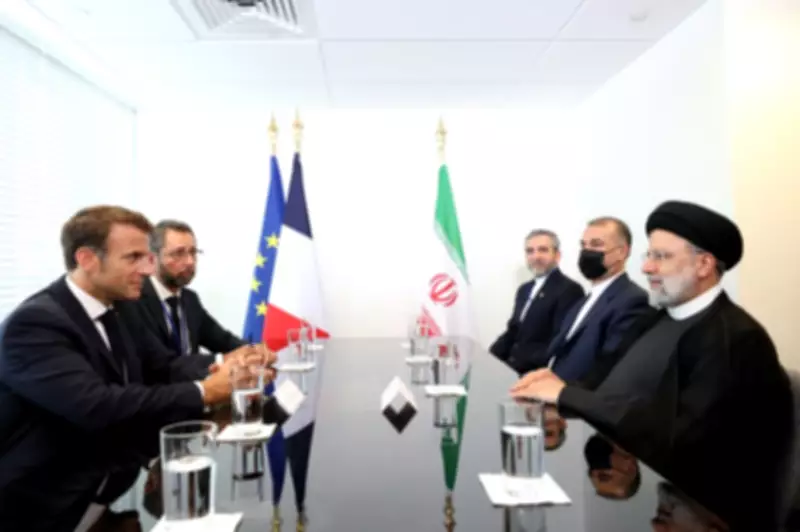
Iran Condemns French President Macron's Position on Middle East Conflict
Iran's Foreign Minister, Abbas Araghchi, has launched a sharp criticism against French President Emmanuel Macron, accusing him of displaying a biased stance in the ongoing Middle East crisis. Araghchi specifically highlighted what he described as Macron's failure to condemn military actions by Israel and the United States targeting Iran, while simultaneously raising concerns over Tehran's retaliatory measures.
Diplomatic Exchange Over Energy Infrastructure Strikes
The diplomatic friction emerged following comments made by President Macron, who called for restraint after Iran targeted energy infrastructure in Qatar. This included facilities at Ras Laffan, which forms part of the world's largest gas field shared between Qatar and Iran. In a post on the social media platform X, Macron emphasized the need for immediate action, stating, "It is in our common interest to implement, without delay, a moratorium on strikes targeting civilian infrastructure." He referenced discussions held with Qatar's Emir Tamim bin Hamad Al Thani and US President Donald Trump.
Iran's Accusations of Selective Condemnation
Responding directly on the same platform, Foreign Minister Araghchi accused the French leader of overlooking earlier strikes on Iranian targets. Araghchi asserted that Macron "has not uttered one word of condemnation of the Israel-US war on Iran" and noted his failure to denounce attacks on fuel storage facilities in Tehran that occurred earlier in March. Expressing frustration, Araghchi added, "His current 'concern' didn't follow Israel's attack on our gas facilities. It follows our retaliation. Sad!"
Background of the Escalating Regional Conflict
The current conflict originated from coordinated strikes by Israel and the United States on February 28, which rapidly escalated into a broader regional confrontation. The focus has increasingly shifted toward energy infrastructure across the Middle East, raising significant international concerns. Iran has consistently issued warnings that it would respond to attacks on its facilities by targeting similar assets throughout the region. This stance has heightened fears of further escalation and potential disruption to global energy supplies, adding complexity to diplomatic efforts to de-escalate the situation.




