
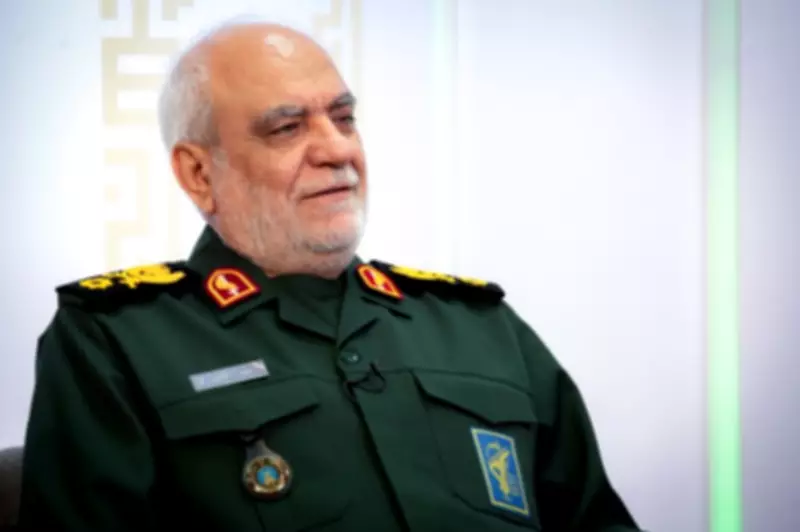
Iranian Intelligence Chief Assassinated in US-Israeli Strike, Regional Tensions Soar
In a dramatic escalation of hostilities, Iran's top intelligence official, Major General Majid Khademi, has been assassinated in a military strike conducted by the United States and Israel. Both nations have officially confirmed their involvement in the attack, which occurred at dawn on April 6, according to a statement released by the Islamic Revolutionary Guard Corps (IRGC). The IRGC announcement preceded any formal declarations from Washington or Tel Aviv, highlighting the rapid and covert nature of the operation.
Israeli Defense Minister Confirms Target's Significance
Israeli Defense Minister Israel Katz later provided a detailed justification for the strike, identifying Khademi as "one of those directly responsible" for orchestrating attacks against Israeli citizens. Katz further emphasized Khademi's high-ranking status, describing him as "one of the three most senior figures" within the powerful IRGC. This characterization underscores the strategic importance of the target and suggests a calculated move to degrade Iran's military and intelligence capabilities.
Trump's Provocative Ultimatums and Social Media Threats
The assassination follows a series of aggressive ultimatums issued by US President Donald Trump. On Saturday, April 4, just after 3 PM, Trump publicly demanded that Tehran either "make a deal or open up the Hormuz Strait" within 48 hours, warning that failure to comply would result in catastrophic consequences, stating, "all Hell will reign down on them."
Trump intensified his rhetoric in an extraordinary social media post on Easter Sunday, which appeared to extend the deadline by one day. In the post, he declared, "Tuesday will be Power Plant Day, and Bridge Day, all wrapped up in one, in Iran. There will be nothing like it!!!" He followed with a profanity-laden threat: "Open the F***in' Strait, you crazy b******s, or you'll be living in Hell – JUST WATCH! Praise be to Allah." Several hours later, he added a specific time, posting, "Tuesday, 8:00 P.M. Eastern Time!"
Iranian Warnings of Devastating Retaliation
In response to these threats, Iranian authorities have issued stern warnings, promising a severe and widespread retaliation if attacks on civilian targets are repeated. A spokesman for the Khatam al-Anbiya Central HQ, Iran's top military command unit, stated, "If attacks on civilian targets are repeated, the next stages of our offensive and retaliatory operations will be much more devastating and widespread." This statement signals Iran's readiness to escalate the conflict further, potentially targeting US or Israeli assets in the region.
Potential for a Ceasefire Amid Ongoing Threats
Despite the heightened tensions, President Trump indicated to Axios that there is a "good chance" of reaching a deal with Iran by the following day. The US news site reported that a 45-day ceasefire might be under consideration. However, Trump reiterated his aggressive stance, warning that if an agreement is not secured, he would be "blowing up everything over there." This dual approach of diplomacy coupled with military threats creates a volatile and unpredictable situation.
Legal Concerns Over Potential War Crimes
Legal experts have raised alarms regarding Trump's threats to deliberately target civilian infrastructure, such as power plants and bridges. Such actions, if carried out, could constitute potential war crimes under international law. The explicit nature of Trump's social media posts has drawn criticism and heightened concerns about the adherence to legal and ethical standards in military engagements.
The assassination of Major General Majid Khademi marks a significant turning point in US-Iran relations, with both sides now poised on the brink of a broader conflict. The combination of military strikes, provocative threats, and warnings of retaliation has created a highly unstable environment in the Middle East, with global implications for security and diplomacy.




