
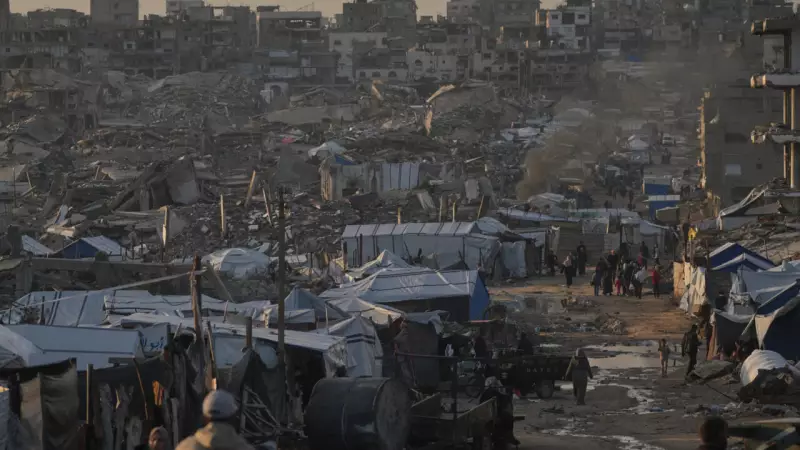
Israel has taken a decisive step that is set to significantly impact humanitarian operations in Gaza. The government announced it will ban 37 international non-governmental organisations (NGOs) from working in the territory, citing their failure to meet newly imposed security and transparency requirements. The United Nations and aid groups have swiftly condemned the move, warning it will exacerbate the already severe humanitarian crisis gripping Gaza.
The Reason Behind the Ban
In a statement released on Thursday, January 1, 2026, the Israeli Ministry of Diaspora Affairs and Combating Antisemitism laid out its case. The ministry stated that the affected organisations did not comply with a deadline to provide full details about their Palestinian staff and other operational data. “Organisations that have failed to meet required security and transparency standards will have their licenses suspended,” the ministry declared, noting that enforcement actions would follow.
The decision mandates that the NGOs must cease all operations by March 1, 2026. They were formally notified that their licences would be revoked starting January 1, 2026, after a ten-month window for compliance expired the day before. Israel frames these regulations as a necessary measure to prevent groups it accuses of supporting terrorism from operating within Palestinian territories.
“The primary failure identified was the refusal to provide complete and verifiable information regarding their employees, a critical requirement designed to prevent the infiltration of terrorist operatives into humanitarian structures,” the ministry explained. Minister Amichai Chikli defended the policy, stating, “The message is clear: humanitarian assistance is welcome — the exploitation of humanitarian frameworks for terrorism is not.”
Major Aid Groups Affected and Their Response
The list of banned organisations includes several globally recognised humanitarian giants, such as Doctors Without Borders (MSF), World Vision International, and Oxfam. Israel specifically accused MSF of employing two individuals allegedly linked to the Palestinian militant groups Islamic Jihad and Hamas.
MSF firmly rejected the allegation. Earlier in the week, the medical charity argued that Israel's demand for staff lists “may be in violation of Israel’s obligations under international humanitarian law.” It stressed that it “would never knowingly employ people engaging in military activity.”
International Backlash and Warnings
The ban has triggered strong condemnation from civil society and international bodies. On the same Thursday, 18 Israel-based left-wing NGOs denounced the decision, arguing that the new framework “violates core humanitarian principles of independence and neutrality.” They warned in a joint statement that “This weaponisation of bureaucracy institutionalises barriers to aid and forces vital organisations to suspend operations.”
The United Nations' human rights chief, Volker Türk, described the move as “outrageous.” He cautioned that it would deepen civilian suffering in Gaza, saying, “Such arbitrary suspensions make an already intolerable situation even worse for the people of Gaza.”
Philippe Lazzarini, head of the UN agency for Palestinian refugees (UNRWA), also issued a stark warning. He said the ban sets a “dangerous precedent” that could undermine the fundamental principles of neutrality and independence in global aid work.
This development follows earlier appeals from the foreign ministers of 10 countries, including France and the United Kingdom, who urged Israel to guarantee humanitarian access to Gaza, describing conditions there as “catastrophic.”
The backdrop to this crisis is a fragile ceasefire that has held since October, following the war triggered by the October 7, 2023 attacks. Despite the pause in major fighting, the humanitarian situation remains dire. According to UN data cited by Amjad Al-Shawa, nearly 80 percent of buildings in Gaza have been destroyed or damaged, and approximately 1.5 million of the enclave's over two million residents remain displaced.




