
Israel Imposes Sweeping Emergency Measures Following Iranian Retaliation Strikes
Israel has declared a nationwide state of emergency and implemented stringent security protocols after Iran launched a significant missile bombardment in retaliation for a recent joint military operation conducted by the United States and Israel. The emergency declaration, announced by Defence Minister Israel Katz on Saturday, March 21, 2026, came in response to direct threats from Tehran following the strike on Iranian territory.
Nationwide Closures and Public Gathering Ban
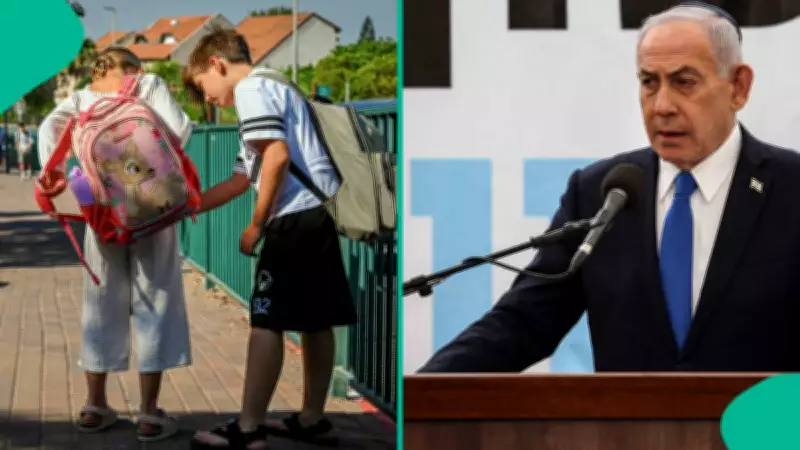
The Israeli government immediately ordered the closure of all educational institutions, including schools and universities, across the country. Additionally, non-essential workplaces were shut down, and a comprehensive ban on public gatherings was enforced to minimize civilian exposure to potential attacks. Police authorities urged citizens to avoid non-essential travel to keep roadways clear for emergency service vehicles and military convoys.
"We are facing incoming missile and drone attacks," Defence Minister Katz warned in his public address, emphasizing the seriousness of the threat. The government mobilized tens of thousands of reservists to reinforce land borders and critical infrastructure points throughout the nation.
Hospital Preparedness and Patient Relocation
Major medical facilities across Israel, including the prominent Sheba Medical Center near Tel Aviv, initiated emergency protocols by moving entire hospital wards and patient services into underground protected areas. This precautionary measure was designed to ensure continuous medical care while safeguarding patients and staff from potential aerial attacks.
"We switched to advanced preparedness mode in preparation for the strike in Iran," explained Itai Pessach, Director General of Sheba Medical Center. "We are in the process of moving all our departments and services into protected areas to maintain operations under these emergency conditions."
Civilian Response and Air Defense Confidence
Despite the official warnings and visible military preparations, some residents in Tel Aviv demonstrated remarkable composure, with individuals continuing routine activities along the Mediterranean promenade. This behavior reflected widespread confidence in Israel's sophisticated air defense systems, which successfully intercepted numerous incoming projectiles during the initial attacks.
Shira Dorany, a Tel Aviv resident walking along the beachfront, expressed a sentiment shared by many Israelis: "It's about time. I don't want to wait anymore for what's coming. Now, it's coming. Let's finish it." This attitude underscores the population's resilience and support for decisive military action against perceived threats.
Transportation Restrictions and Border Policies
The Israeli government closed the country's airspace to all civilian flights as a precautionary measure against potential aerial threats. However, land border crossings with neighboring Egypt and Jordan remained operational, though with heightened security screening and monitoring procedures. In Jerusalem, residents rushed to supermarkets and banks to stock up on essential supplies and withdraw cash as explosions from missile interceptions echoed overhead.
International Diplomatic Response and Security Advisories
The United States Embassy in Jerusalem issued security advisories to its personnel, instructing them to shelter in place and avoid unnecessary movement. Earlier guidance had permitted diplomatic staff to leave the country if they chose to do so. The embassy's precautions reflect the seriousness with which international observers view the escalating tensions between Israel and Iran.
Historical Context of Regional Conflict
This latest escalation follows a previous 12-day aerial conflict between Israel and Iran that occurred the previous year, resulting in significant casualties on both sides. That confrontation claimed over 30 lives in Israel and more than 900 in Iran, with Tel Aviv and southern Israel experiencing multiple direct strikes during the hostilities.
Maayan Eliasi, a 43-year-old Israeli citizen, voiced support for the government's military posture: "We are not scared, and we are here to protect our land." This sentiment reflects the determination among many Israelis to defend national sovereignty despite ongoing security challenges.
Regional Implications and International Partnerships
The conflict has broader implications for international security dynamics, particularly in regions facing similar threats. In a related development, Iran's ambassador to Nigeria, Gholamreza Mahdavi Raja, recently emphasized his country's willingness to support Nigeria in combating terrorist organizations like Boko Haram and ISWAP. This diplomatic outreach highlights how Middle Eastern conflicts can influence security partnerships across different continents.
As the situation continues to develop, Israeli authorities maintain heightened alert levels while monitoring potential further escalations. The combination of emergency measures, civilian preparedness, and military mobilization demonstrates Israel's comprehensive approach to national security during periods of heightened regional tension.




