
Israel Signals Ground Offensive in Lebanon Following Strategic Bridge Strikes
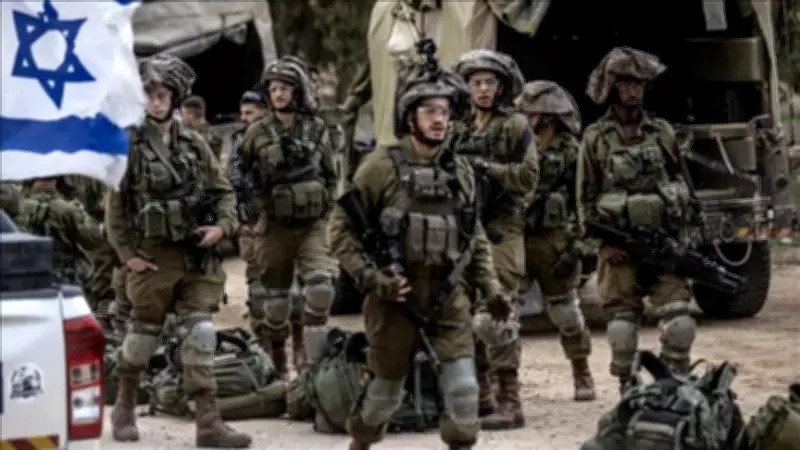
Israel has dramatically intensified its military campaign in southern Lebanon, with clear indications that it is preparing to expand ground operations after launching targeted strikes on critical infrastructure, including several key bridges. The Israeli military has announced that its ongoing campaign against Hezbollah is entering a broader and more aggressive phase, with coordinated ground advances and sustained airstrikes now in active preparation.
Structured Military Campaign and Infrastructure Targeting
Lieutenant General Eyal Zamir of the Israeli military described the operation as both ongoing and potentially prolonged, emphasizing that all actions are being executed according to a meticulously structured and pre-planned strategy. Earlier, Israeli forces conducted precise strikes on multiple bridges, with one significant target being a bridge near the coastal city of Tyre. Lebanese state media reported that this bridge was seen emitting heavy, dense smoke after being hit, sustaining severe damage that has rendered it completely unusable for transportation.
Additional Israeli strikes were also reported in nearby areas, further demonstrating the scope and intensity of the military escalation. Israeli authorities have stated that these operations are aimed at systematically dismantling what they describe as Hezbollah's entrenched infrastructure throughout southern Lebanon. Beyond the bridge strikes, there have been confirmed reports of demolitions targeting structures in border communities, as well as airstrikes extending into other regions, including the Bekaa Valley.
Lebanese Condemnation and Warnings of Broader Conflict
Lebanese President Joseph Aoun issued a strong condemnation of the Israeli attacks, characterizing them as a serious and dangerous escalation that constitutes a blatant violation of Lebanon's national sovereignty. President Aoun issued a stark warning, stating that the deliberate targeting of critical infrastructure—particularly bridges spanning the Litani River—could very well signal the beginning of a much larger ground invasion by Israeli forces.
He further noted that such destructive actions risk effectively isolating southern Lebanon from the rest of the country, crippling mobility and supply lines. The conflict has seen a steady and dangerous escalation since early March, marked by continuous exchanges of fire between Israeli forces and Hezbollah militants. Israel has carried out extensive airstrikes and executed limited ground incursions, while Hezbollah has responded with sustained rocket attacks targeting northern Israel and its border regions.
Humanitarian Impact and Strategic Objectives
Lebanese officials have reported mounting civilian casualties and widespread displacement as a direct result of the intensified fighting, with over one million people reportedly affected in recent weeks alone. Meanwhile, Hezbollah has publicly claimed responsibility for multiple attacks on Israeli military positions, particularly those in areas proximate to the shared border.
Israeli officials have maintained a consistent position, asserting that the destruction of bridges and other vital infrastructure is a strategic necessity intended to disrupt and sever the movement of Hezbollah fighters, weapons, and supplies across southern Lebanon. The Litani River, which lies approximately 30 kilometers north of the Israeli border, has emerged as a key focal point in these ongoing military operations.
Regional Tensions and Future Prospects
As regional tensions remain critically high, both sides continue to engage in aggressive exchanges of fire, significantly raising international concerns about the potential for a broader, more devastating, and prolonged conflict. The situation remains volatile, with the planned Israeli ground advances representing a major escalation that could redefine the conflict's trajectory in the coming days and weeks.




