
ITUC Workers Laud Ghana for Leading Slave Trade Reparations at UN
The International Trade Union Confederation (ITUC) and its African Regional Organisation (ITUC-Africa) have commended Ghana for advancing a resolution at the United Nations General Assembly that recognises transatlantic slavery as the gravest crime against humanity and calls for reparatory justice. This resolution affirms that the legacy of transatlantic slavery persists in structural inequalities, racial injustice, and underdevelopment affecting Africa and its diaspora.
Joint Statement Calls for Concrete Measures
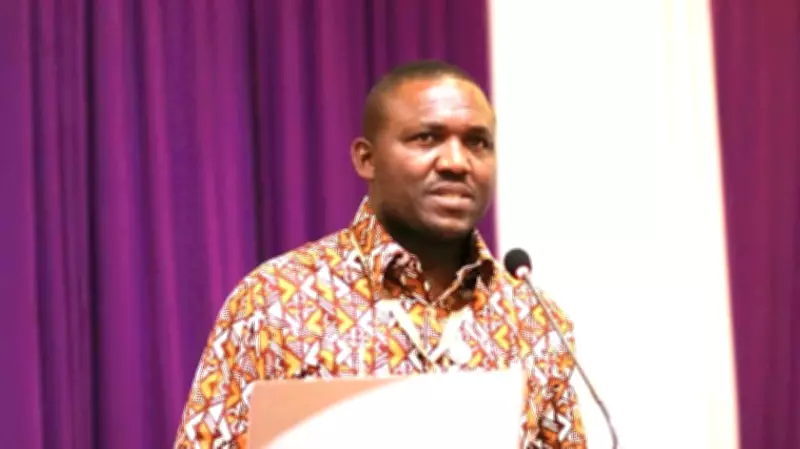
In a statement jointly signed by the General Secretary of ITUC, Luc Triangle, and his ITUC-Africa counterpart, Joel Odigie, the workers' groups demanded concrete measures to redress the injustice. These measures include formal apologies, restitution, compensation, and guarantees of non-repetition as part of the restitutions. The resolution reinforces their long-standing position, advanced through its debt campaign, that Africa's current debt burdens are rooted in historical injustices and structural imbalances in the global economic system.
Urging African Unity and Global Support
ITUC-Africa called on other African governments and institutions to stand with Ghana and advance a common continental agenda on reparations. The intercontinental bodies also urged governments worldwide to support African leadership and its call for justice in solidarity. The struggle, however, extends beyond mere recognition. It was observed that the structures that sustained slavery, such as labour exploitation and external control of African economies, persist in new forms.
Persistent Economic Challenges and Worker Exploitation
Both bodies added: "Unequal trade relations, resource extraction, and debt dependency continue to constrain development and undermine workers' rights." They stressed that for African workers, repressive policies reflect precarious employment, weak industrialisation, limited value addition, persistent inequality, and widespread energy poverty. They insisted that the call for reparatory justice is inseparable from the struggle for economic transformation, energy sovereignty, and social justice.
Advocating for Socio-Economic Corrections
"We continue to argue and advocate for corrections of these ills by insisting that a cease-and-desist socio-economic arrangement towards Africa, especially by advanced economies that directly and indirectly participate and benefit from Africa's slavery pains, be put in place, and commensurate compensations are made, including the halt to Illicit Financial Flows (IFFs) and debt forgiveness," they said. Both labour bodies maintained that the resolution must lead to action, adding: "Africa's freedom will be realised through economic emancipation—through control of its resources, transformation of its economies, and delivery of decent work and social justice."
Call for International Dialogue and Action
ITUC and ITUC-Africa call on the international community, particularly former colonial powers, to engage in dialogue on reparations and take concrete steps toward justice. The struggle continues, with Africa urged to remain united in the pursuit of justice, dignity, and economic liberation.




