
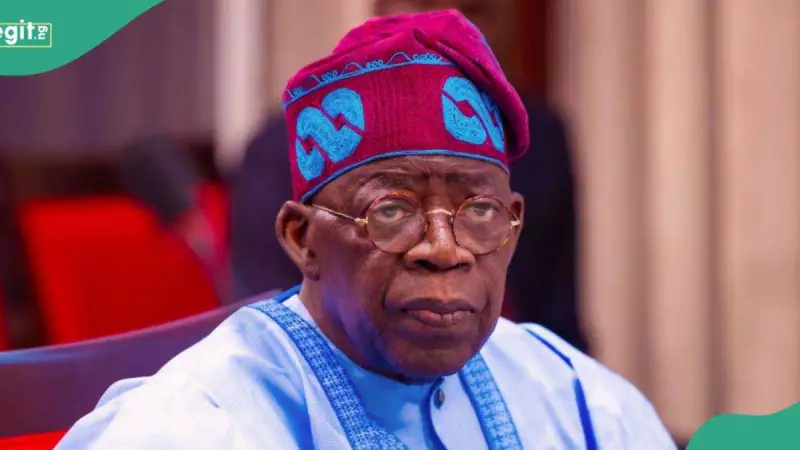
President Bola Ahmed Tinubu has taken a significant step toward filling Nigeria's long-standing diplomatic vacancies by submitting a list of 32 ambassadorial nominees to the Senate for confirmation. The move, which occurred on Saturday, November 29, 2025, includes 15 career diplomats and 17 non-career appointees, sparking immediate reactions from political observers across the nation.
Legal Expert Analyzes Diplomatic Appointments
Port Harcourt-based legal practitioner and public affairs analyst, Anyakweh Miracle Amadi, Esq., has provided crucial insights into the presidential nominations. While acknowledging the importance of filling the ambassadorial vacuum, Amadi expressed concern about the delayed process, noting that Nigeria has operated without ambassadors in approximately 109 foreign missions worldwide for nearly two years.
During an exclusive interview, Amadi emphasized the negative consequences of this prolonged absence of diplomatic representation. "The vacuum created some negative impact on Nigeria's global reputation, international relations, and international politics," the lawyer stated, highlighting the urgency of restoring Nigeria's diplomatic presence abroad.
Understanding the Two Types of Diplomats
Amadi took the opportunity to educate Nigerians on the critical distinction between career and non-career diplomats, a differentiation that lies at the heart of the current appointment list.
Career diplomats represent the professional backbone of Nigeria's foreign service. According to Amadi, these are "seasoned professionals who have attained the ranks and expertise in the foreign service and missions, often with proven experience in diplomacy, international relations, and negotiations."
In contrast, non-career diplomats bring different qualifications to their roles. The analyst explained that these appointees are typically selected for their "business or political connections, rather than traditional diplomatic experience" and might lack the same level of foreign service expertise but offer other valuable skills.
Political Loyalty and Diplomatic Appointments
Amadi expressed little surprise at the composition of the non-career ambassadorial designees, which includes prominent political figures such as Reno Omokri and Femi Fani-Kayode. The lawyer attributed these selections to established political traditions.
"Political appointments are based on party loyalty and the connection the person has with the President or the political class," Amadi noted. "They all have to be rewarded for their partisanship and loyalty."
Despite the political nature of some appointments, the public affairs analyst emphasized the paramount importance of finally addressing the diplomatic gap. "The important thing is that Nigeria can now have the ambassadorial vacuum filled by Nigerians in all the foreign missions and services all around the world," he concluded.
The announcement has already generated reactions from some nominees, with former Aviation Minister Femi Fani-Kayode expressing gratitude to President Tinubu for the appointment. Similarly, former presidential aide Reno Omokri praised the President's "Christlike qualities" and leadership that reflects forgiveness and patriotism.
As the Senate prepares to review the 32 nominations, attention focuses on how these appointments will reshape Nigeria's international relationships and restore the country's diplomatic presence after two years of significant representation gaps in global affairs.




