
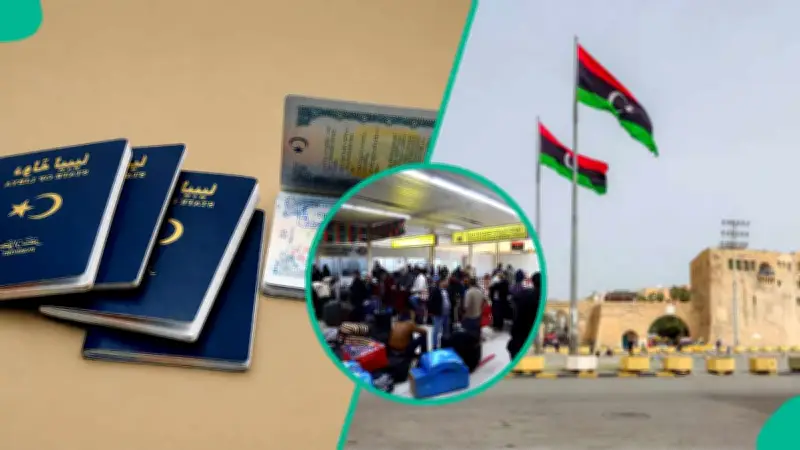
The Libyan government has introduced an online eVisa portal for foreign nationals seeking to enter the country for work or tourism in 2026. The system is designed to streamline visa applications and promote cultural exchange.
How the Libya eVisa Application Works
Prospective visitors must complete an online form on the Libya eVisa portal. The application requires personal information, including a valid passport number and expiration date, as well as details about the purpose of the visit. Authorities stress that all provided data must be accurate and applicants should follow step-by-step instructions.
The portal serves as the primary gateway for digital visa applications, replacing traditional paper-based processes. It is part of Libya's broader effort to make travel to the country more accessible to the international community.
Processing Timeline and Delivery
According to Libyan authorities, processing an eVisa application typically takes several days to a week. Once approved, the visa is sent electronically to the applicant's email as a PDF or other standard file format. Travellers are advised to save a secure copy to present to immigration officials upon arrival.
The government emphasizes that processing times may vary depending on application volume and the accuracy of submitted information.
Related Developments: Deportation of Nigerian Migrants
In a separate incident linked to migration issues, Libyan authorities deported 80 Nigerian migrants through Mitiga International Airport. The operation was conducted by the Department for Combating Illegal Migration in coordination with the Nigerian Consulate in Tripoli. This underscores ongoing challenges in regional migration management.
The eVisa initiative represents a contrasting effort to facilitate legal travel, while repatriation exercises address irregular migration. Both actions reflect Libya's evolving immigration policies.




