
Israeli Leader Urges Caution as US and Iran Resume Nuclear Negotiations
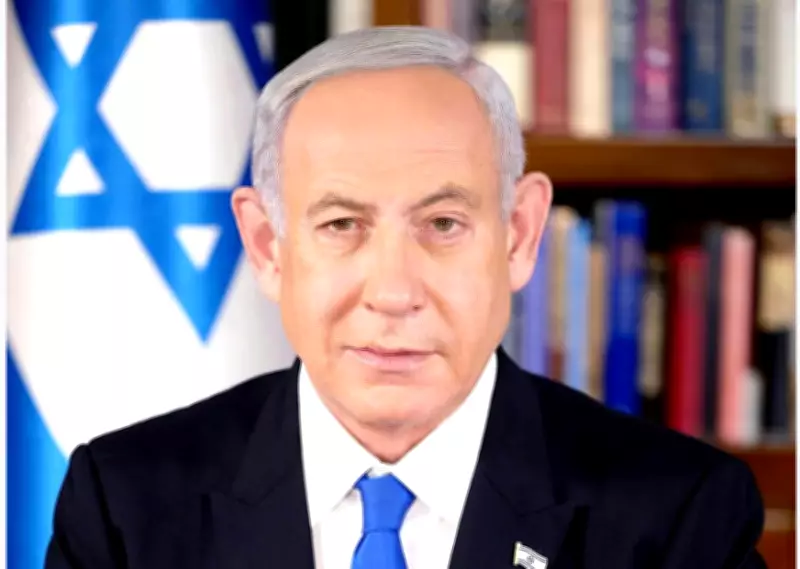
Israeli Prime Minister Benjamin Netanyahu has issued a strong warning to the United States regarding renewed nuclear negotiations with Iran, emphasizing that Tehran cannot be trusted to honor any potential agreement. The cautionary advice came during a high-level meeting on Tuesday with U.S. Special Envoy Steve Witkoff, as diplomatic efforts to revive talks over Iran's nuclear program gained momentum.
Netanyahu's Firm Position on Iranian Trustworthiness
According to an official statement from the Israeli prime minister's office, Netanyahu stressed that Iran has a long and consistent record of failing to keep its international commitments. The statement clearly articulated Netanyahu's position that Iran has repeatedly proven its promises cannot be trusted, highlighting concerns about Tehran's reliability in any nuclear agreement.
The meeting was attended by several key Israeli security officials, including the head of Israel's intelligence agency David Barnea, Defence Minister Israel Katz, and military chief Eyal Zamir. This high-level participation underscores the strategic importance Israel places on the nuclear negotiations and their potential regional implications.
Renewed Diplomatic Efforts Amid Heightened Tensions
The renewed talks come as Iran and the United States prepare to resume negotiations in Turkey, with U.S. President Donald Trump warning that severe consequences could follow if no agreement is reached. Washington has reportedly pushed three main conditions for progress in the negotiations, which closely align with Israel's long-standing security concerns:
- Zero uranium enrichment by Iran
- Restrictions on Iran's ballistic missile program
- An end to Tehran's support for regional proxy groups
Iranian officials have consistently rejected all three conditions, describing them as violations of national sovereignty. However, sources indicate that limitations on ballistic missiles present a greater challenge for Tehran than curbs on uranium enrichment, suggesting potential areas of negotiation difficulty.
Regional Military Buildup and Domestic Unrest
Tensions between Washington and Tehran remain elevated, with the United States increasing its military presence in the Middle East. The deployment of an aircraft carrier and supporting warships has heightened concerns about potential military confrontation should diplomatic efforts fail.
The strained relations have been further complicated by Iran's violent response to recent domestic protests, which human rights groups claim resulted in thousands of civilian deaths. Iranian authorities have blamed the unrest on what they describe as armed groups backed by Israel and the United States, adding another layer of complexity to the already tense regional dynamics.
As diplomatic channels reopen, Netanyahu's cautionary stance reflects broader Israeli security concerns about Iran's nuclear ambitions and regional influence. The coming weeks will test whether renewed negotiations can bridge the significant trust deficit between the parties while addressing fundamental security concerns in one of the world's most volatile regions.




