
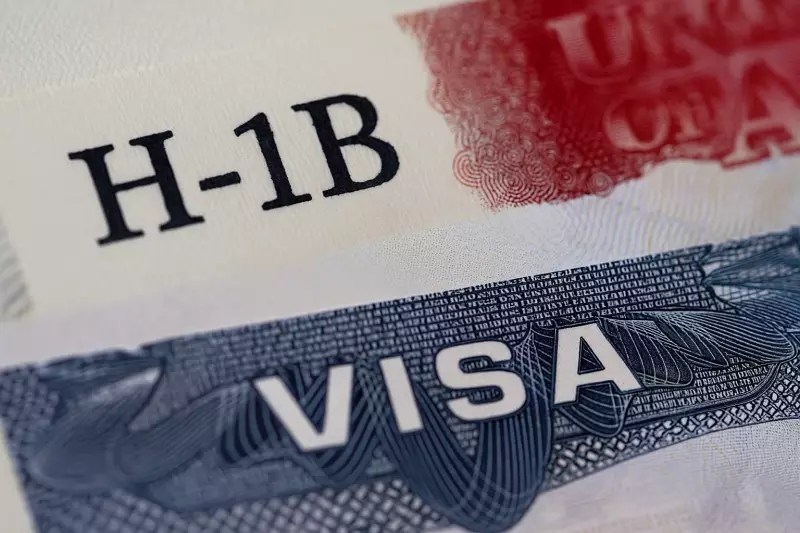
Nigerians planning to visit the United States for business or tourism are confronting a significant new financial barrier. The U.S. government has rolled out a stringent visa policy that will compel citizens from Nigeria and several other nations to secure a refundable financial bond before their applications can be processed.
Details of the New Visa Bond Policy
According to the updated regulations from the U.S. Department of State, applicants for B1 (business) and B2 (tourist) visas from Nigeria are now subject to this requirement. The bond amount is not fixed; a consular officer will assign one of three tiers—$5,000, $10,000, or $15,000—during the visa interview. Nigeria is among 38 countries tagged by Washington as having a "high-risk" immigration profile, which triggered this measure.
The policy is set to become active for Nigerian applicants on 21 January 2026. To comply, applicants must complete a Department of Homeland Security (DHS) Form I-352 and process the payment through the U.S. Department of the Treasury's designated online system. U.S. officials have been clear on a critical point: submitting the bond does not automatically guarantee visa approval. Furthermore, any payment made without direct instruction from a consular officer will be forfeited and not refunded.
Purpose and Implications for Nigerian Travelers
The core objective of the visa bond is to act as a financial safeguard. It ensures that travelers adhere strictly to U.S. immigration laws, particularly the condition to leave the country before their authorized period of stay ends. The bond is refundable once the traveler complies with all entry and exit stipulations.
This development represents a major escalation in travel requirements and is likely to have profound effects:
- Increased Financial Burden: The need to lock away a substantial sum, potentially up to $15,000, could deter many middle-class Nigerians from applying.
- Application Complexity: The process now involves an extra layer of financial documentation and interaction with the Treasury's payment portal.
- Uncertainty: The discretionary power of consular officers to set the bond amount adds a variable that is difficult to predict before the interview.
What Applicants Need to Know
Prospective travelers must approach the new process with caution. It is essential to wait for explicit instructions from the U.S. embassy or consulate regarding the bond requirement. Initiating payment prematurely will result in a loss of funds. Applicants should prepare for the visa interview with all standard documentation, plus proof of financial capability to cover the potential bond and trip expenses.
This policy shift underscores the evolving challenges Nigerian citizens face in international travel and highlights the importance of meticulous preparation for U.S. visa applications under these tightened rules.




