
A Divine Intervention? US Designation Shakes Nigeria
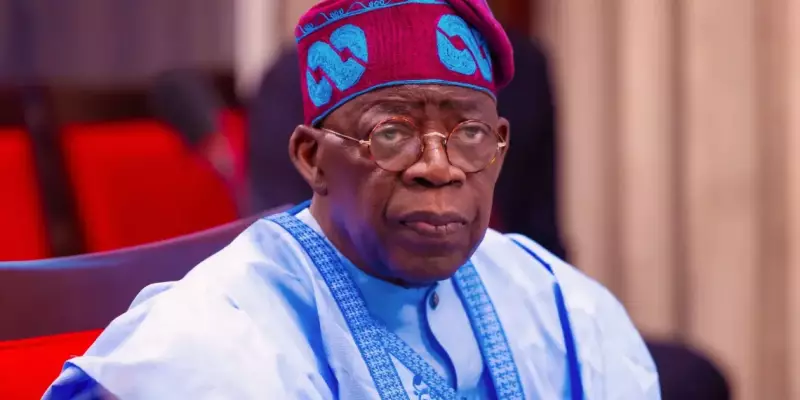
In a development described by some as a divine message, former US President Donald Trump, on Monday, 3rd November 2025, delivered a stark message to the Sahel region, with Nigeria at the epicenter. The United States officially designated Nigeria as a "Country of Particular Concern" and an "over-shamed country," a move presented not as mere rhetoric but as a critical wake-up call. Public affairs analyst Willie Amadi has urged President Bola Ahmed Tinubu to seize this moment with diplomatic humility, viewing it as a strategic opportunity rather than an insult.
The Deepening Security Crisis and Its Toll
The proclamation from the US comes against a backdrop of a severe and protracted security crisis that has crippled Nigeria. The nation is effectively at war with itself, with no foreseeable end to the escalating violence. Terrorists, bandits, militias, and kidnappers hold sway, terrorizing citizens from all socioeconomic classes. These non-state actors have established alternative governments in numerous local governments across Northern Nigeria, possessing more sophisticated weaponry than the national armory and forcing the military into a defensive posture.
This unending conflict has had a devastating impact on national development. Approximately 35% of Nigeria's annual budget is consumed by this avoidable insecurity, funds that could have been channeled into critical infrastructure and abandoned projects. A particularly tragic aspect highlighted is the intensified, unprovoked attacks and genocide against Christian communities in the North, a situation that festered during the administration of former President Muhammadu Buhari with little visible restraint.
A Call for Strategic Collaboration with the US
Amadi argues that the US designation should be seen as a form of psychological rescue and a renewal of hope for Nigerians. He strongly criticizes those within Nigeria who are prompting President Tinubu to resist American intervention, labeling such a stance as idiotic and dangerous given the vast military and intelligence disparity between the two nations. He points to the clinical precision of past US military operations, such as the rescue of American citizens from a Boko Haram camp, as evidence of their capability.
The analysis calls for a complete reversal of the current adversarial posture towards the US offer. Instead of vituperations, Nigeria should proactively collaborate and even propose the establishment of a US military base within its borders to permanently stem the tide of insecurity and sponsored insurgency. The piece contends that national sovereignty is contingent upon a government's ability to protect its citizens' lives and property. When a state is conquered by non-state actors, it becomes a mere geographical entity requiring external rescue.
In conclusion, the piece makes a fervent appeal to President Bola Ahmed Tinubu to leverage his renowned strategic thinking. By embracing this timely collaboration with the United States, his administration could secure a permanent solution to the nation's security tragedy, cementing his "Renewed Hope" agenda in the annals of Nigerian history for generations unborn.




