
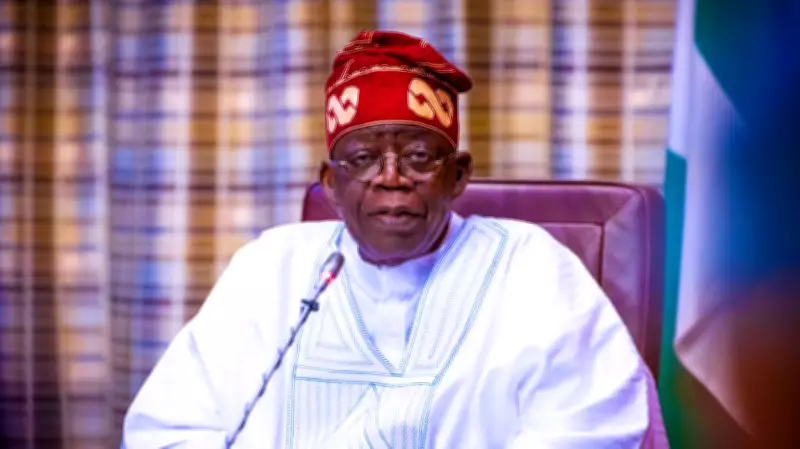
Nigeria Reaffirms Commitment to Stable Democracy in ECOWAS Region
The Federal Government has reaffirmed Nigeria's unwavering commitment to strengthening democratic governance and sustaining stability across the Economic Community of West African States (ECOWAS). This position was articulated during the Voice of Nigeria (VON) Forum 2026 held in Abuja, themed "51 Years of Nigeria's Role in Deepening Democratic Stability in ECOWAS." The event convened government officials, lawmakers, diplomats, and policy experts to review Nigeria's contributions to regional integration and democratic development over the past five decades.
Minister of Information Highlights Nigeria's Role
Speaking at the forum, the Minister of Information and National Orientation, Mohammed Idris, emphasized that Nigeria's involvement in peacekeeping, mediation, and support for democratic transitions across West Africa reflects a long-standing national policy. He noted that Nigeria's progress is intrinsically linked to the stability of neighboring countries, asserting that peace in the region fosters opportunities for investment and shared prosperity.
"Nigeria has remained at the forefront of promoting peace, democratic governance, and regional integration across West Africa," the minister declared. He acknowledged that while the region continues to face security threats and political uncertainties, the administration of President Bola Tinubu remains focused on strengthening institutions and promoting dialogue among member states.
Idris also cautioned against narratives portraying Nigeria as unstable, insisting that such claims do not reflect current realities. "We acknowledge the challenges, but Nigeria is stable, functional, and on the path of recovery and growth," he stated. The minister pointed to ongoing security operations and reforms, including increased funding for defense and coordinated intelligence efforts, which he said have led to the rescue of kidnapped victims and the disruption of criminal networks.
Economic and Legislative Perspectives
On the economic front, Idris cited improving indicators such as moderating inflation, rising foreign investment, and stronger external reserves as signs of gradual recovery. Additionally, Deputy President of the Senate, Barau Jibrin, highlighted Nigeria's continued investment of political and diplomatic resources in strengthening ECOWAS institutions since the bloc's formation in 1975.
Jibrin described the organization as a product of foresight and cooperation, built to promote collective security and economic integration among West African countries. He emphasized that democratic governance remains central to regional stability, with legislative institutions playing a key role in ensuring accountability and the rule of law. "Nigeria's National Assembly will continue to support initiatives that promote regional cooperation and democratic consolidation," he affirmed.
Media and Regional Challenges
In his remarks, the Director-General of the Voice of Nigeria, Jibrin Baba Ndace, noted that the forum was convened at a time when democratic institutions in parts of West Africa are under pressure. He stated that Nigeria has remained a stabilizing force in the region through peace missions, diplomatic engagement, and support for constitutional order in member states.
Ndace highlighted that the forum provides an opportunity for stakeholders to examine emerging challenges, including unconstitutional changes of government and declining public trust, while identifying practical steps to strengthen democratic systems. He also stressed the role of the media in shaping public perception and promoting responsible discourse, especially in an era of widespread misinformation.
Background of Regional Shifts
The renewed commitment comes against the backdrop of shifting political dynamics within the region, particularly in the Sahel. Niger, Mali, and Burkina Faso, all led by military governments, have formally withdrawn from ECOWAS after prolonged disagreements with the bloc. The three countries announced their exit in 2024 and completed the process in January 2025, marking a major turning point for regional integration.
This development, which led to the formation of the Alliance of Sahel States, has raised fresh concerns about unity, security cooperation, and the future of democratic governance in West Africa. Consequently, the forum called for stronger collaboration and renewed commitment to ECOWAS ideals to address these pressing issues and ensure sustained stability across the sub-region.




