
Nigerian Coalition Condemns US Military Presence as Sovereignty Threat
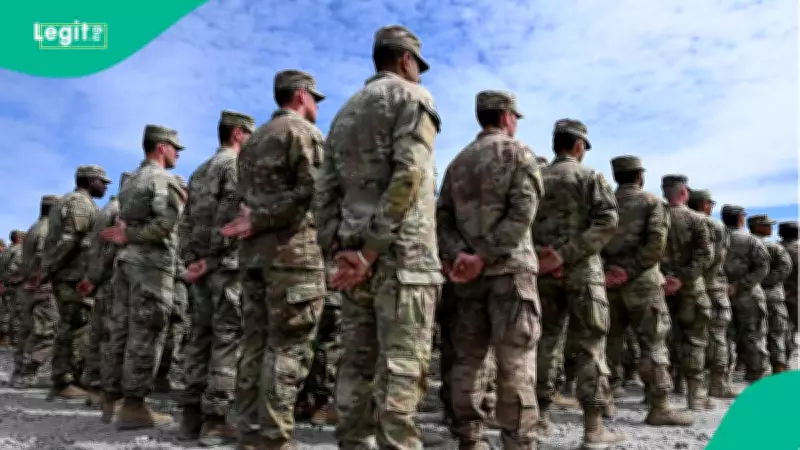
Prominent Nigerian lawyers, academics, and civil society leaders have issued a strong reaction to the presence of United States military personnel in Nigeria, labeling it a direct violation of national sovereignty and establishing a dangerous precedent for foreign interference. The coalition, which includes notable figures such as Femi Falana (SAN) and Prof Jibrin Ibrahim, has raised serious constitutional concerns about the approximately 100 US soldiers who arrived to support the Nigerian Armed Forces.
Defence Headquarters Confirms Training and Intelligence Collaboration
According to official statements from the Defence Headquarters, the US military presence focuses specifically on training initiatives and intelligence-sharing operations, designed to address Nigeria's ongoing security challenges. This collaboration comes amid increasing security threats across the nation, with the Nigerian government seeking international partnerships to bolster domestic defense capabilities.
Joint Statement Warns Against Neo-Colonial Arrangements
The coalition's concerns were formally expressed in a joint statement titled "No to Foreign Forces in Our Land: Defend Our Sovereignty," which was widely reported by Nigerian media outlets. In this document, Falana and other signatories warned against what they described as a creeping neo-colonial arrangement that could gradually erode Nigeria's independent decision-making capacity.
"Rather than outsourcing our security, Nigeria should fully equip and modernise the Nigeria Police Force and the Armed Forces, strengthen intelligence coordination, improve welfare and morale of troops, invest in domestic defence production, and address socio-economic drivers of insecurity," the statement emphasized.
Historical Precedents and Sovereignty Concerns
The coalition highlighted that sovereignty represents more than just a ceremonial concept—it serves as the fundamental foundation of statehood. According to their analysis, historical lessons demonstrate that sovereignty surrendered in the name of expediency is rarely easily reclaimed.
"Once foreign troops are stationed on national soil without transparent constitutional processes, sovereignty is diluted—incrementally, perhaps quietly—but meaningfully," the statement cautioned, pointing to potential long-term consequences of the military arrangement.
Expert Analysis Questions Effectiveness of US Interventions
Prof Jibrin Ibrahim provided critical analysis of American security interventions globally, noting that such involvement has not necessarily resulted in lasting peace or stability in other nations. "In which country has America offered to help in security, led to improved security? There is none in the world. All their external involvements have been to deepen insecurity, rather than to improve the security situation," Ibrahim stated.
Background of US-Nigeria Security Cooperation
This development follows recent acknowledgments from the United States War Department, which thanked Nigeria for cooperation after conducting air strikes against ISIS-linked militants within Nigerian territory. President Donald Trump had previously announced intentions for further military action if attacks on civilians continued, with the United States Africa Command (AFRICOM) confirming that operations aimed to degrade ISIS's operational capacity in the region.
Additionally, the United States recently delivered critical military supplies to Nigeria in Abuja to bolster ongoing operations, underscoring the improving security partnership between the two nations. This delivery occurred despite previous diplomatic tensions, including instances where US President Trump had made derogatory remarks about Nigeria.
Broader Implications for National Security Strategy
The coalition's statement raises fundamental questions about Nigeria's approach to national security, advocating for greater investment in domestic capabilities rather than reliance on foreign military support. Their position reflects growing concerns among some Nigerian intellectuals and civil society leaders about maintaining national autonomy while addressing complex security challenges.
As Nigeria continues to navigate multiple security threats, including terrorism, banditry, and communal conflicts, the debate over appropriate international partnerships versus national sovereignty promises to remain a central issue in both political and security discussions.




