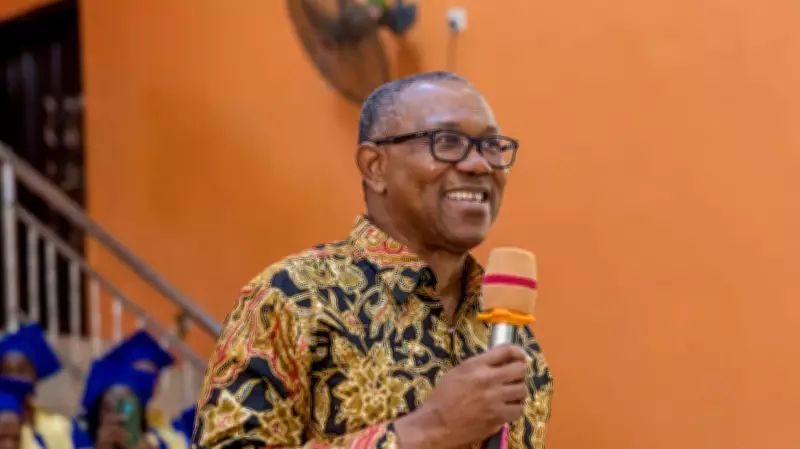
Former presidential candidate Peter Obi has described his recent engagement in South Africa as a pivotal moment for continental reflection on governance, unity, and Africa's evolving political challenges. The discussions followed meetings with two former African heads of state and other senior political figures.
Meetings with Former Leaders
Obi stated that the engagement occurred during his travels between Cape Town and Johannesburg, where he met former Botswana President Ian Khama and former South African President Thabo Mbeki. He noted that the discussions provided an opportunity to exchange views on pressing regional issues, particularly immigration dynamics, peacebuilding, and the broader need for stronger cooperation among African nations.
Influential Figures in African Politics
Obi highlighted that both Khama and Mbeki remain influential figures in African political thought, even after leaving office. He added that their continued engagement in continental discourse reflects their long-standing commitment to stability and development across the region. Obi emphasized that he expressed appreciation to both leaders for their public reflections on recent migration-related tensions in parts of Africa, as well as their consistent advocacy for unity and diplomatic solutions.
Reconnecting with Kayode Fayemi
During the interaction, Obi also reconnected with former Ekiti State Governor Kayode Fayemi, who played a prominent role at the Thabo Mbeki Africa Day lecture organized by the Thabo Mbeki Foundation. Fayemi delivered a keynote address centered on the urgent need to rebuild African unity, strengthen democratic institutions, and promote policy coherence across the continent.
Focus on Institutional Resilience
The lecture brought together scholars, policymakers, and political leaders, focusing on the broader theme of Africa's institutional resilience and the role of leadership in shaping sustainable development outcomes. According to Obi, the discussions at the event reinforced the importance of intellectual and political collaboration in addressing Africa's long-standing governance and economic challenges.
Shared Understanding Among Leaders
Obi further stated that the interactions underscored a shared understanding among African leaders and thinkers that the continent's progress depends heavily on cooperation, mutual respect, and consistent dialogue across political and ideological lines. He observed that while African nations continue to face diverse internal and external pressures, sustained engagement among past and present leaders remains critical to building stronger institutions.
Value of Experience and Perspective
He also highlighted that such meetings serve as a reminder of the value of experience and historical perspective in shaping current policy directions. According to him, the insights shared by former leaders like Khama and Mbeki contribute meaningfully to ongoing conversations about peace, migration management, and regional integration.
Commitment to a United Africa
Obi concluded that the engagement was not merely ceremonial but reflective of a deeper commitment among African leaders to work toward a more stable, united, and prosperous continent. He added that continued dialogue of this nature is essential for addressing shared challenges and advancing collective progress across Africa.