
Reform UK Announces Visa Ban for Nations Demanding Slavery Reparations
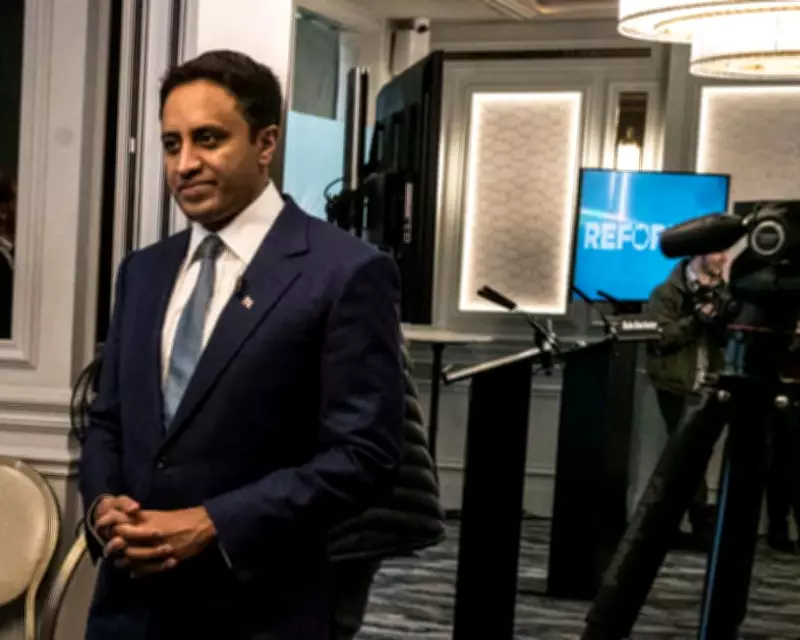
Reform UK has declared a controversial new policy to cease issuing visas to citizens of any country that continues to demand compensation from the United Kingdom for its historical role in the transatlantic trade in enslaved people. The party's home affairs spokesperson, Zia Yusuf, made this announcement in an interview with the Daily Telegraph, labeling the calls for reparations as deeply insulting to British heritage and sovereignty.
Historical Context and Global Backlash
This policy proposal emerges against a backdrop of increasing international pressure for reparations. According to historical records, seven European nations, including the UK, were involved in the enslavement and trafficking of over 15 million Africans across the Atlantic Ocean. Many historians argue that the wealth generated from this brutal system played a pivotal role in fueling mass industrialization across Western nations.
In a significant move last month, the United Nations voted to officially describe the transatlantic slave trade as the gravest crime against humanity in history. The resolution, which was not legally binding, explicitly called for reparations as a concrete step toward remedying these historical wrongs. This landmark decision received strong backing from the African Union and the Caribbean Community (Caricom), highlighting a unified stance among affected regions.
Political Reactions and Diplomatic Abstentions
The resolution was proposed by Ghana's President, John Dramani Mahama, who emphasized the moral imperative to address past injustices. However, the UK and several European Union member states chose to abstain from the vote, while the United States voted against it. This diplomatic maneuvering underscores the contentious nature of the reparations debate on the global stage.
Yusuf provided startling statistics to support Reform UK's stance, claiming that over the past two decades, the UK has issued approximately 3.8 million visas to individuals from countries actively seeking reparations. He argued that this represents a paradoxical reward for nations that he believes are unfairly targeting Britain.
Reform UK's Firm Stance and Previous Policies
In his statements to the Telegraph, Yusuf articulated a hardline position, asserting that Britain has already made immense sacrifices by being the first major global power to outlaw slavery and enforce its prohibition. He declared that the bank is closed and the door is locked for anyone attempting to use historical grievances as a weapon to drain the national treasury.
Yusuf further emphasized that the United Kingdom should not be treated as an ATM for ethnic grievances rooted in the distant past. He expressed frustration over what he perceives as ridicule on the world stage, particularly citing countries like Jamaica, Nigeria, and Ghana for escalating their demands. This policy aligns with Reform UK's earlier pledge to scrap international aid for nations pursuing reparations, reinforcing a consistent approach to what the party views as fiscal and diplomatic overreach.
The Financial Implications and Expert Analysis
The debate over reparations gained additional momentum in 2023 following a comprehensive report authored by Patrick Robinson, a former judge of the International Court of Justice. The report concluded that the UK alone should pay an estimated $24 trillion (approximately £18.8 trillion) in reparations for transatlantic slavery across 14 affected countries. This staggering figure highlights the profound economic and moral dimensions of the issue, which Reform UK now seeks to counter with stringent immigration measures.
As this policy proposal sparks widespread discussion, it reflects broader tensions between historical accountability and contemporary political strategies, setting the stage for intense debates in the coming months.




