
Russian forces have achieved their most significant territorial expansion in Ukraine since the initial phase of the full-scale invasion in 2022, according to a new analysis. The findings come as Ukraine intensifies diplomatic efforts to end the conflict, even as civilian areas face continued bombardment.
Major Russian Advances in 2025
An analysis of data from the Institute for the Study of War (ISW) and the Critical Threats Project reveals a stark shift on the battlefield. In the year 2025, Russian troops captured more than 5,600 square kilometres of Ukrainian territory. This substantial gain represents nearly one percent of Ukraine's total land area.
This land grab in 2025 exceeds the combined territorial gains Russia made in the two preceding years, 2023 and 2024. However, it remains far smaller than the massive offensive of 2022, when Moscow's forces seized over 60,000 square kilometres in the first year of the war. The data includes areas confirmed by Ukrainian authorities and military analysts to be under Russian control, as well as territory claimed by Moscow.
Diplomatic Push Amidst Escalating Violence
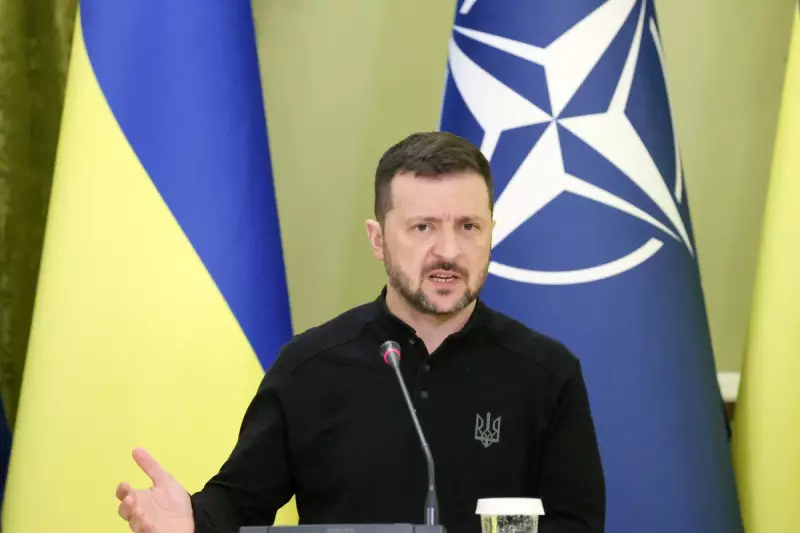
The renewed Russian advances unfold alongside a flurry of Ukrainian diplomatic activity. President Volodymyr Zelensky stated that about 15 countries, alongside representatives of the European Union and NATO, are expected at a meeting of security advisers in Kyiv on Saturday, January 3, 2026. A United States delegation will join via video link.
This meeting will be followed next week by a summit in France involving leaders of a "coalition of the willing," part of a broader push for a negotiated settlement. Zelensky, in his New Year's Eve address, indicated that a US-brokered peace deal was "90 percent" ready, but acknowledged the unresolved, sensitive issue of territory.
This diplomatic momentum starkly contrasts the brutal reality on the ground. Ukrainian forces, facing superior Russian numbers and firepower, are under sustained pressure. The aerial war against cities also continues unabated.
Civilian Toll and Leadership Changes
In a recent attack, strikes hit a residential area of Kharkiv, Ukraine's second-largest city, destroying parts of multi-storey apartment buildings. Local authorities reported that a three-year-old child was killed and at least 19 people were injured. Zelensky condemned the strike as "heinous," accusing Russia of continuing to kill despite diplomatic efforts.
Russia's defence ministry denied responsibility for the Kharkiv strike, claiming its forces did not carry out attacks within the city limits. In a separate incident, Russia accused Ukraine of striking a hotel and café in Russian-occupied southern Ukraine, killing 28 people, a claim Kyiv denied, stating it targeted a military gathering.
Amid growing risks, Ukrainian officials on Friday ordered the evacuation of more than 3,000 children and their parents from 44 frontline settlements in the Zaporizhzhia and Dnipropetrovsk regions. Since June 1, more than 150,000 people have been evacuated from frontline areas.
Concurrently, Zelensky announced significant changes within his administration. On Friday, he appointed military intelligence chief Kyrylo Budanov as his new top aide, replacing Andriy Yermak who resigned in November amid a corruption scandal. Zelensky also signalled his intention to replace Defence Minister Denys Shymgal with 34-year-old Mykhailo Fedorov, the current minister of digital transformation, citing Fedorov's effectiveness in drone-related issues and digitalisation.
The war, which Russia calls a "special military operation" aimed at preventing NATO expansion, began in February 2022. Moscow continues to occupy large areas of eastern and southern Ukraine while launching near-daily drone and missile attacks across the country.




