
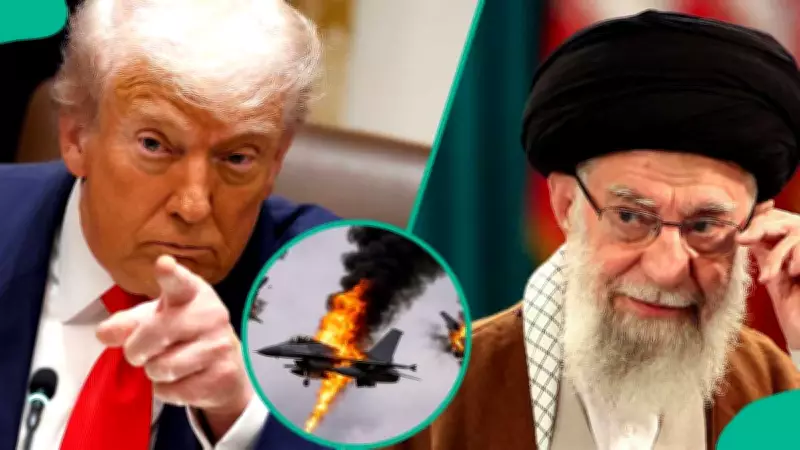
Saudi Crown Prince Reportedly Urges Trump to Escalate Iran Conflict
Recent reports have surfaced indicating that Mohammed bin Salman, the Crown Prince of Saudi Arabia, has been actively encouraging former U.S. President Donald Trump to sustain and escalate military operations against Iran. According to sources cited by The New York Times, this push is framed as a rare strategic opportunity to fundamentally reshape the geopolitical landscape of the Middle East.
Discussions and Strategic Objectives
Over the past week, the Saudi leader has engaged in a series of discussions with Trump, urging him to maintain pressure on Tehran and pursue broader regional objectives. Individuals familiar with these conversations state that bin Salman views Iran as a long-term threat to Gulf nations, arguing that only through fundamental political change can this challenge be adequately addressed. He reportedly described the current situation as an historic opportunity to transform the balance of power in the region.
However, Saudi officials have publicly rejected suggestions that Riyadh is actively advocating for an escalation of the conflict, distancing the government from these claims and emphasizing a more diplomatic stance.
Trump's Claims and Regional Implications
This development coincides with Trump's statements to U.S. media outlets, where he claimed that Tehran has already undergone regime change following weeks of sustained conflict. Reports indicate that this conflict has resulted in the deaths of several high-ranking Iranian officials, including former supreme leader Ali Khamenei. The ongoing crisis has heightened fears of a broader regional confrontation, with global attention fixed on the evolving military and political dynamics.
Global Energy Concerns and Diplomatic Efforts
As tensions intensify, countries worldwide are warning of a worsening fuel crisis triggered by the conflict. The situation has been described as critical, prompting emergency measures to stabilize energy supplies. In response, European Commission President Ursula von der Leyen has called for renewed diplomatic engagement, urging negotiations with Iran to reopen the strategically vital Strait of Hormuz and mitigate economic disruptions.
Regional Dynamics and Future Consequences
The war has further strained relations across the Middle East, raising concerns about prolonged instability and economic fallout. Analysts suggest that the involvement of key regional actors, such as Saudi Arabia, could significantly influence the direction and duration of the conflict. While diplomatic channels remain under pressure, the unfolding developments indicate that decisions made in the coming days may have lasting consequences for global security and energy markets, underscoring the high stakes of the current geopolitical maneuvering.




