
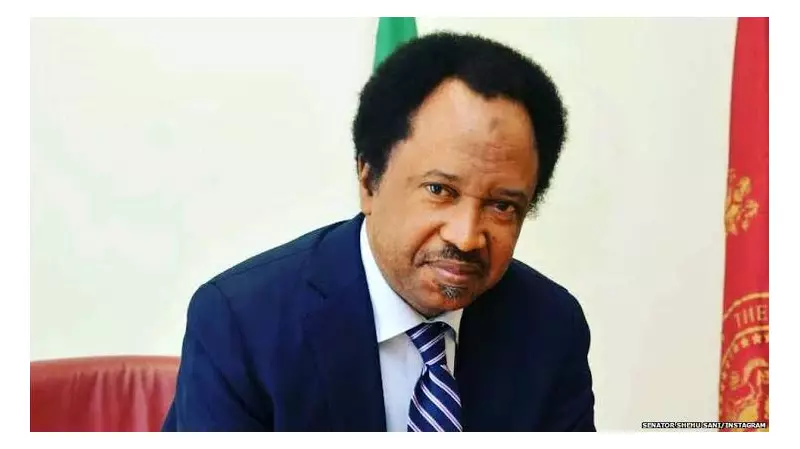
Former Kaduna Central Senator, Shehu Sani, has issued a strong call to Nigerians, urging them to concentrate on solving domestic challenges and rebuilding the country. This appeal comes as a direct response to the recent announcement of expanded visa restrictions by the United States government, which includes Nigeria on its list.
Details of the US Visa Proclamation
On Tuesday, 17 December 2025, US President Donald Trump unveiled new entry restrictions affecting nationals from 24 countries. The White House cited "persistent deficiencies in screening, vetting, and information-sharing" as the primary reasons, labeling these issues as potential threats to American national security.
The proclamation imposes a range of suspensions. Eight countries face full visa suspensions, while another 16, including Nigeria, are subject to partial restrictions. The affected visa categories include common types such as B-1 and B-2 for business and tourism, F and M for students, and J for exchange visitors.
Shehu Sani's Critique and Call to Action
Reacting on his official X (formerly Twitter) handle, Senator Shehu Sani strongly criticized the policy, describing it as discriminatory against migrants from developing nations. He reminded the public of a previous visa ban focused on individuals involved in religious persecution, which many Nigerians celebrated online, mistakenly believing it targeted only government officials.
"The second visa restriction is for everyone, now that Nigeria is listed among 23 others," Sani stated. He questioned the composition of the affected countries, pointing out that the list disproportionately targets African and Caribbean nations while excluding Arab countries, despite security being cited as the basis.
"The message is very clear: third world migrants are not welcomed. Stay back and build your country or deal with your problems," he asserted, framing the US action as a blunt message to citizens of affected nations.
Historical Context and Broader Implications
This is not Nigeria's first encounter with such visa-related challenges from the United States. In 2020, the US imposed restrictions on certain categories of Nigerian immigrants, citing inadequate data-sharing on terrorism and criminal records. That earlier decision sparked intense national debates about governance, security, and the urgent need to strengthen Nigeria's institutions.
The latest restrictions are reportedly part of a broader shift in US immigration policy aimed at tightening entry requirements for countries deemed to have weak identity management and information-sharing systems. Senator Sani's comments have reignited discussions on national self-reliance and the imperative to address internal security and institutional weaknesses that often lead to such international sanctions.
The call for Nigerians to focus inward and tackle domestic issues resonates as a direct challenge to both the government and the citizenry in the face of this latest diplomatic development.




